


The Quiet Power of Presence
In our fast-paced world, it’s easy to get caught up in the whirlwind of daily life. Work deadlines, family commitments, and social obligations can leave us feeling overwhelmed and stressed. But amidst the chaos, there exists a powerful tool to restore our inner peace and emotional well-being: meditation and mindfulness.
Meditation, often associated with ancient Eastern philosophies, is the practice of training the mind to focus and redirect thoughts. It involves sitting quietly, focusing on the breath, and observing thoughts without judgment. Mindfulness, on the other hand, is the practice of being fully present in the moment. It’s about paying attention to our thoughts, feelings, and sensations without getting caught up in them.
The Benefits of Meditation and Mindfulness
Regular practice of meditation and mindfulness can have a profound impact on our emotional health. Here are some of the benefits:
Reduced Stress and Anxiety: By calming the mind and reducing rumination, meditation and mindfulness can significantly reduce stress and anxiety levels.
Getting Started with Meditation and Mindfulness
If you’re new to meditation and mindfulness, here are some tips to get you started:
1. Find a Quiet Space: Choose a peaceful and quiet place where you won’t be disturbed.
2. Comfortable Posture: Sit in a comfortable position, either on a cushion or a chair. Keep your spine straight but relaxed.
3. Focus on Your Breath: Begin by focusing on your breath. Pay attention to the sensation of the breath as it enters and leaves your body.
4. Observe Your Thoughts: As thoughts arise, gently bring your attention back to your breath. Don’t judge your thoughts; simply observe them.
5. Start Small: Begin with short meditation sessions, such as 5-10 minutes, and gradually increase the duration as you become more comfortable.
Remember, there’s no right or wrong way to meditate or practice mindfulness. The most important thing is to be patient and kind to yourself. As you continue to practice, you’ll begin to experience the many benefits of this powerful practice.
So, why not take a few moments each day to nurture your inner self? By incorporating meditation and mindfulness into your daily routine, you can cultivate a greater sense of peace, joy, and well-being.
Meditation, often seen as a practice reserved for monks and yogis, is a powerful tool that can be integrated into your daily life to nurture your inner self. This ancient technique involves training your mind to focus and redirect your thoughts. By regularly practicing meditation, you can cultivate a sense of calm, clarity, and emotional balance.
The Science Behind Meditation
Scientific research has shown that meditation can have a profound impact on the brain. It can increase activity in areas associated with attention and self-awareness, while reducing activity in regions linked to stress and anxiety. Regular meditation practice has been linked to a variety of benefits, including:
Reduced Stress and Anxiety: By calming the mind and body, meditation can help alleviate symptoms of stress, anxiety, and depression.
Getting Started with Meditation
If you’re new to meditation, don’t worry! It’s a simple practice that anyone can learn. Here are a few tips to help you get started:
1. Find a Quiet Space: Choose a peaceful place where you won’t be disturbed.
2. Get Comfortable: Sit in a comfortable position, such as a cross-legged position on the floor or in a chair with your back straight.
3. Focus Your Attention: Begin by focusing your attention on your breath. Pay attention to the sensation of the breath as it enters and leaves your body.
4. Observe Your Thoughts: As thoughts arise, simply acknowledge them without judgment. Gently bring your attention back to your breath.
5. Start Small: Begin with just a few minutes of meditation each day and gradually increase the duration as you become more comfortable.
Remember, there is no right or wrong way to meditate. The most important thing is to find a practice that works for you and stick with it. By incorporating meditation into your daily routine, you can unlock your inner peace and experience the many benefits of this powerful practice.
Meditation Techniques to Explore
There are many different meditation techniques to explore. Here are a few popular options:
Mindfulness Meditation: This technique involves paying attention to the present moment without judgment.
Experiment with different techniques to find what resonates with you. The key is to be patient and kind to yourself.
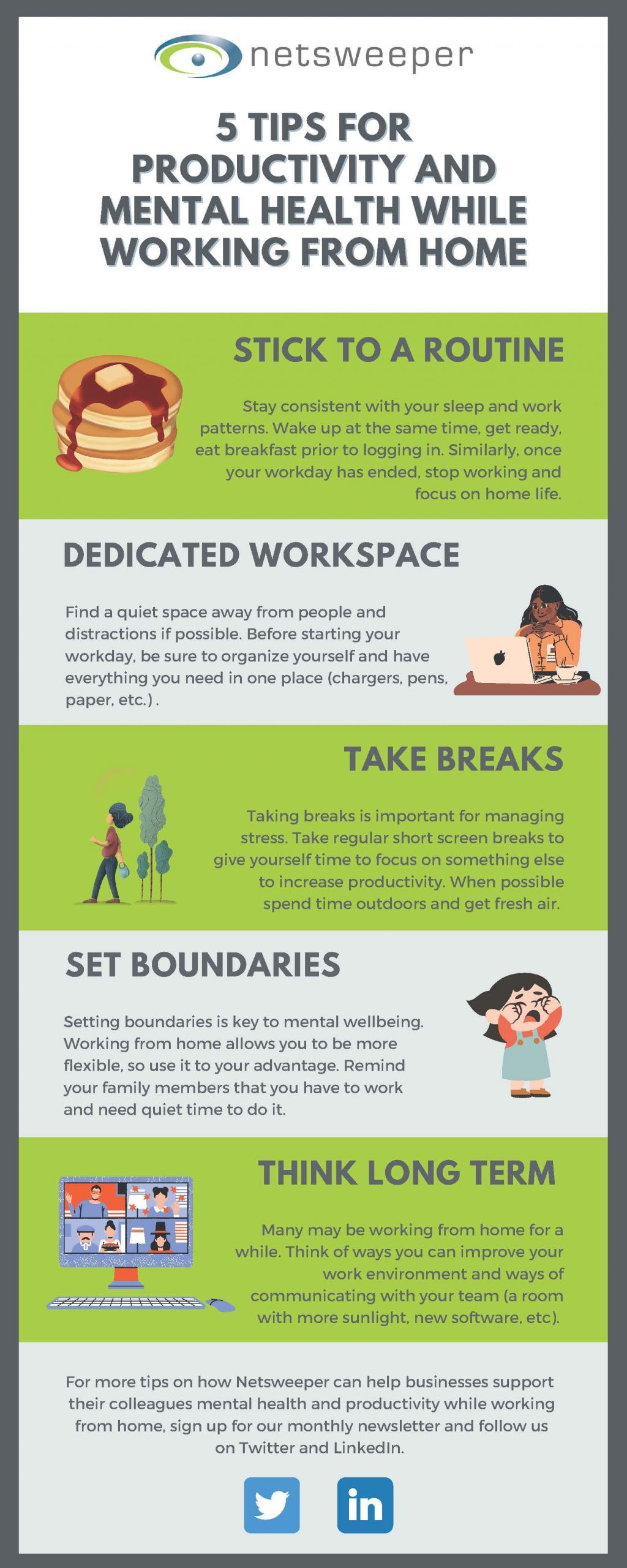
In the quiet solitude of your home office, where distractions lurk around every corner, it’s easy to feel overwhelmed. The constant ping of notifications, the endless stream of emails, and the pressure to perform can take a toll on your mental health. But fear not, remote worker! There’s a powerful tool at your disposal: mindfulness and meditation.
Mindfulness, the practice of being present in the moment, can help you navigate the challenges of remote work with grace and ease. By focusing on your breath and tuning into your senses, you can reduce stress, improve your mood, and enhance your overall well-being.
Why is Mindfulness So Important for Remote Workers?
Reduced Stress: Mindfulness techniques can help you manage stress by calming your mind and body.
How to Incorporate Mindfulness into Your Daily Routine
1. Start Small: Begin with short mindfulness exercises, such as deep breathing or body scans.
2. Meditate Regularly: Dedicate a few minutes each day to meditation. You can use guided meditations or simply focus on your breath.
3. Practice Mindful Eating: Pay attention to the taste, smell, and texture of your food.
4. Engage in Mindful Movement: Incorporate yoga or tai chi into your routine.
5. Spend Time in Nature: Connect with nature by taking walks in the park or gardening.
Meditation: Your Secret Weapon for Mental Well-being
Meditation, a core practice of mindfulness, involves training your mind to focus and redirect your thoughts. By regularly practicing meditation, you can experience a wide range of benefits, including:
Reduced Anxiety and Depression: Meditation can help alleviate symptoms of anxiety and depression.
How to Meditate
1. Find a Quiet Space: Choose a peaceful place where you won’t be disturbed.
2. Get Comfortable: Sit or lie down in a comfortable position.
3. Focus on Your Breath: Pay attention to the sensation of your breath as it enters and leaves your body.
4. Bring Your Attention Back: When your mind wanders, gently bring it back to your breath.
5. Practice Regularly: Start with short meditation sessions and gradually increase the duration.
By incorporating mindfulness and meditation into your daily routine, you can transform your remote work experience. These practices can help you stay calm, focused, and productive, even in the most challenging times. So, take a moment to breathe, relax, and nourish your mind. Your future self will thank you.
Mindfulness, the art of being fully present in the moment, is a powerful tool for improving mental well-being. It helps reduce stress, anxiety, and depression, while enhancing focus, creativity, and overall life satisfaction. As a remote worker, incorporating mindfulness into your daily routine can be especially beneficial.
What is Mindfulness?
Mindfulness is a mental state achieved by focusing one’s awareness on the present moment, while calmly acknowledging and accepting one’s feelings, thoughts, and bodily sensations. It’s about paying attention to the present moment without judgment.
Why is Mindfulness Important for Remote Workers?
Remote work can be isolating, leading to feelings of loneliness and decreased motivation. Mindfulness can help combat these feelings by grounding you in the present moment and reducing stress.
Reduces stress and anxiety: By focusing on the present moment, you can let go of worries about the past or future.
How to Practice Mindfulness
There are many ways to practice mindfulness. Here are a few simple techniques you can incorporate into your daily routine:
Meditation: This involves sitting quietly and focusing on your breath.
Mindfulness Apps
If you’re new to mindfulness, consider using a mindfulness app. These apps offer guided meditations, breathing exercises, and other mindfulness techniques. Some popular mindfulness apps include:
Headspace
Incorporating Mindfulness into Your Remote Workday
Here are a few tips for incorporating mindfulness into your remote work routine:
Start your day with a mindfulness practice: Meditate for 10-15 minutes in the morning to set a positive tone for the day.
By incorporating mindfulness into your daily routine, you can improve your mental well-being, increase your productivity, and enhance your overall quality of life.


