


The Quiet Power of Presence
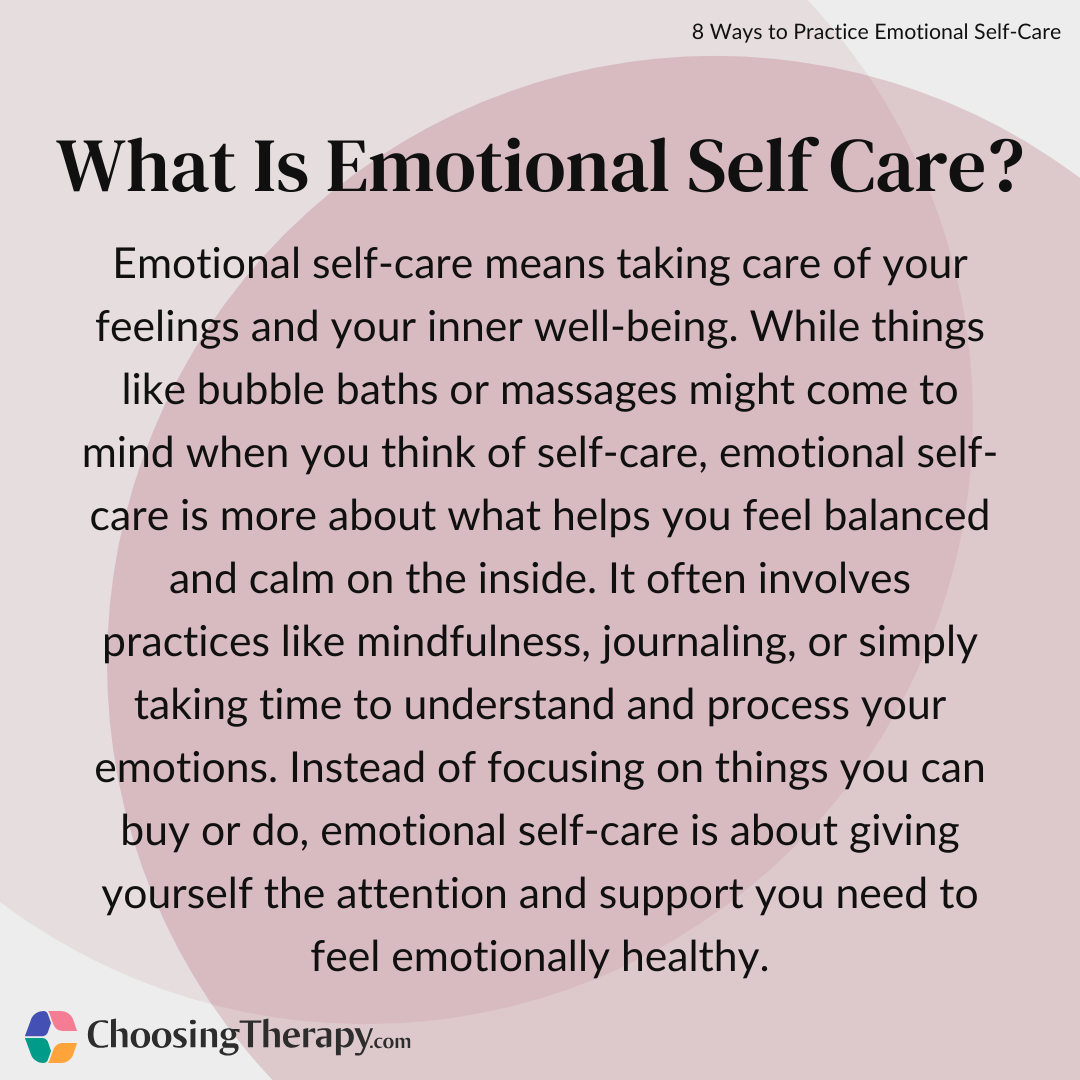
In our fast-paced world, it’s easy to get caught up in the whirlwind of daily life. Work deadlines, family commitments, and social obligations can leave us feeling overwhelmed and stressed. But amidst the chaos, there exists a powerful tool to restore our inner peace and emotional well-being: meditation and mindfulness.

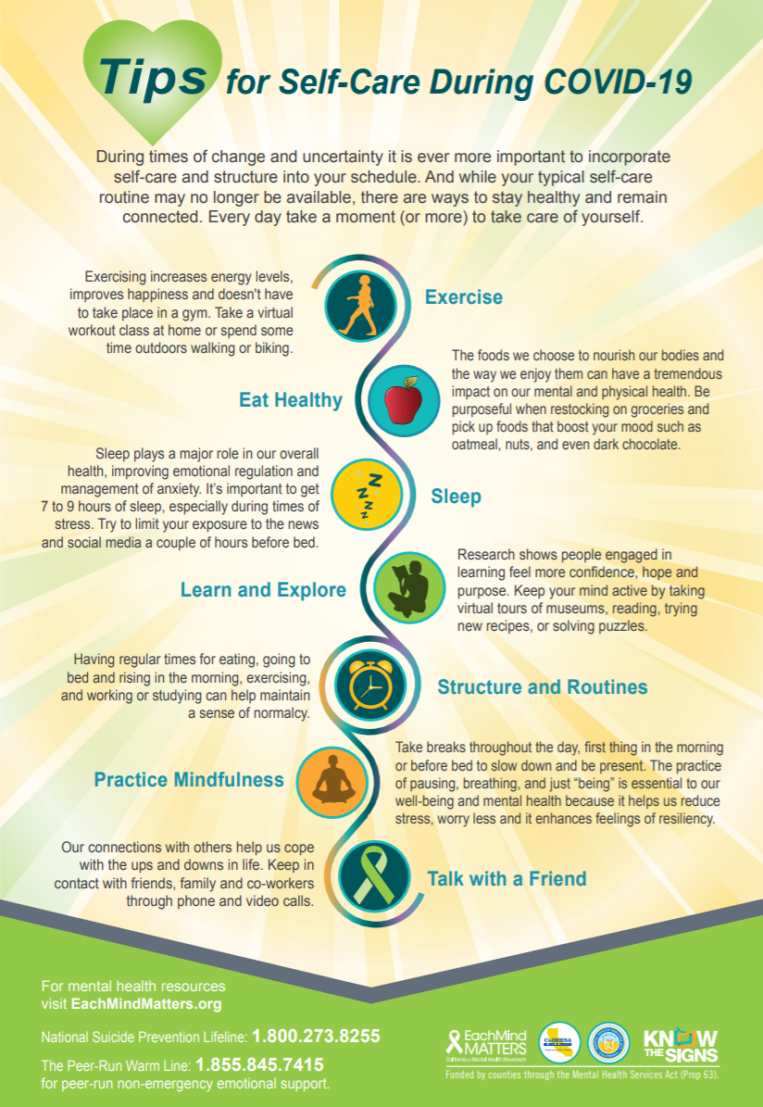
Meditation, often associated with ancient Eastern philosophies, is the practice of training the mind to focus and redirect thoughts. It involves sitting quietly, focusing on the breath, and observing thoughts without judgment. Mindfulness, on the other hand, is the practice of being fully present in the moment. It’s about paying attention to our thoughts, feelings, and sensations without getting caught up in them.
The Benefits of Meditation and Mindfulness
Regular practice of meditation and mindfulness can have a profound impact on our emotional health. Here are some of the benefits:
Reduced Stress and Anxiety: By calming the mind and reducing rumination, meditation and mindfulness can significantly reduce stress and anxiety levels.
Getting Started with Meditation and Mindfulness
If you’re new to meditation and mindfulness, here are some tips to get you started:
1. Find a Quiet Space: Choose a peaceful and quiet place where you won’t be disturbed.
2. Comfortable Posture: Sit in a comfortable position, either on a cushion or a chair. Keep your spine straight but relaxed.
3. Focus on Your Breath: Begin by focusing on your breath. Pay attention to the sensation of the breath as it enters and leaves your body.
4. Observe Your Thoughts: As thoughts arise, gently bring your attention back to your breath. Don’t judge your thoughts; simply observe them.
5. Start Small: Begin with short meditation sessions, such as 5-10 minutes, and gradually increase the duration as you become more comfortable.
Remember, there’s no right or wrong way to meditate or practice mindfulness. The most important thing is to be patient and kind to yourself. As you continue to practice, you’ll begin to experience the many benefits of this powerful practice.
So, why not take a few moments each day to nurture your inner self? By incorporating meditation and mindfulness into your daily routine, you can cultivate a greater sense of peace, joy, and well-being.
Es ist wie ein Tagebuch führen, aber viel persönlicher. Journaling ist eine wunderbare Möglichkeit, deine Gedanken, Gefühle und Erfahrungen aufzuschreiben. Es kann dir helfen, deine Emotionen zu verstehen, Stress abzubauen und deine Ziele zu verfolgen.
Warum ist Journaling so gut für dich?
Selbstreflexion: Indem du deine Gedanken und Gefühle aufschreibst, kannst du sie besser verstehen und reflektieren.
Wie fängst du an?
1. Wähle ein Notizbuch: Suche dir ein Notizbuch, das dir gefällt. Es kann ein einfaches Notizbuch sein oder ein schönes, dekoratives Journal.
2. Finde einen ruhigen Ort: Suche dir einen ruhigen Ort, an dem du ungestört schreiben kannst.
3. Schreibe einfach los: Du musst nicht perfekt schreiben. Schreibe einfach das, was dir in den Sinn kommt.
4. Sei ehrlich: Schreibe ehrlich über deine Gedanken und Gefühle.
5. Verwende verschiedene Schreibtechniken: Probiere verschiedene Schreibtechniken aus, wie zum Beispiel freies Schreiben, Tagebuchschreiben, Briefschreiben oder Liste schreiben.
Journaling-Ideen:
Dankbarkeitstagebuch: Schreibe jeden Tag drei Dinge auf, für die du dankbar bist.
Tipps für erfolgreiches Journaling:
Schreibe regelmäßig: Versuche, jeden Tag oder zumindest ein paar Mal pro Woche zu schreiben.
Journaling ist eine einfache und effektive Möglichkeit, deine innere Welt zu erkunden und zu pflegen. Es kann dir helfen, mehr Selbstbewusstsein, Selbstvertrauen und Selbstliebe zu entwickeln. Also, schnapp dir ein Notizbuch und fang an zu schreiben!


