

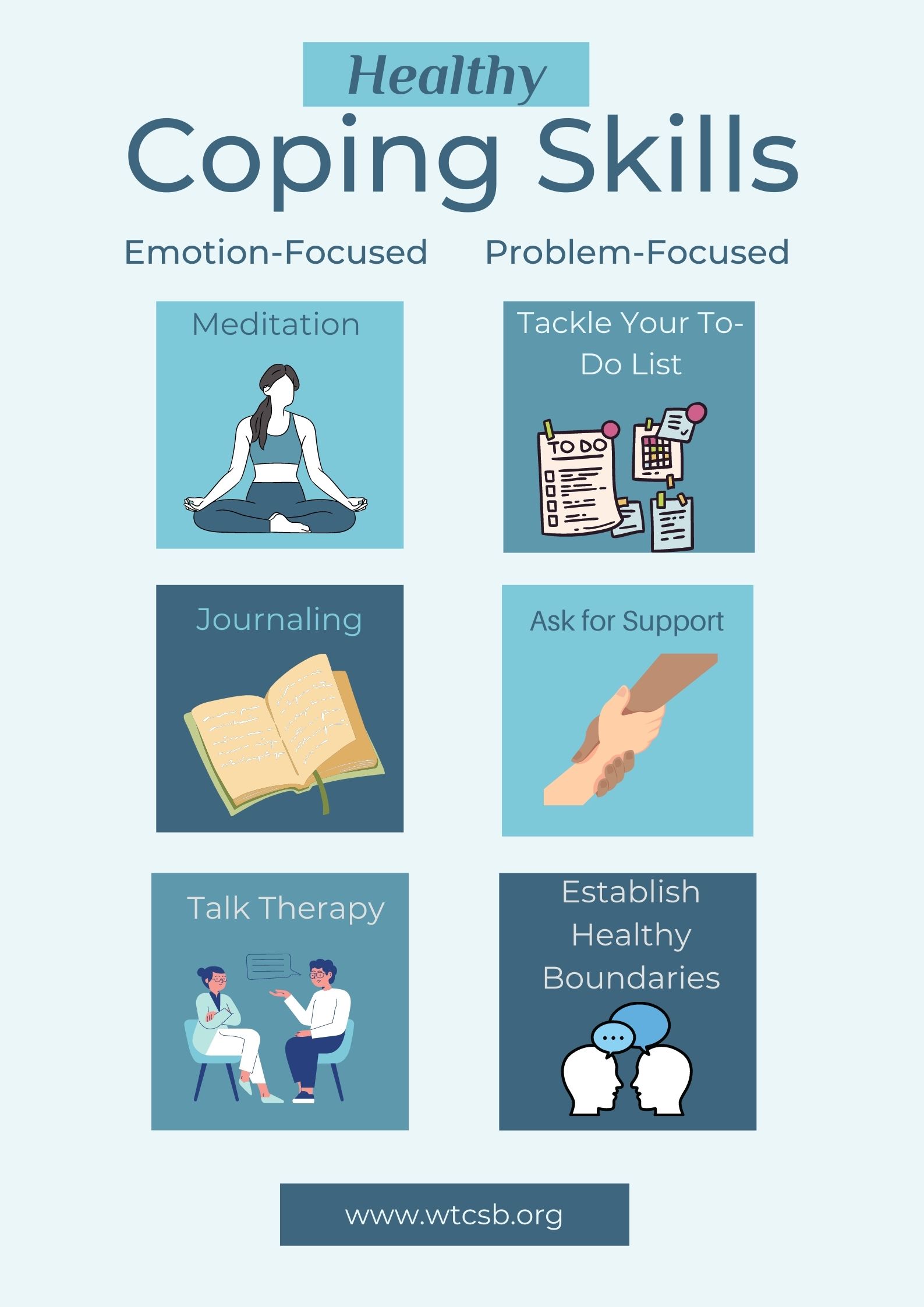
Achtsamkeit, oder Mindfulness, ist eine Technik, die uns hilft, im gegenwärtigen Moment zu leben. Es ist wie ein Anker, der uns inmitten des stürmischen Ozeans unserer Gedanken und Gefühle hält. Indem wir uns bewusst auf den gegenwärtigen Moment konzentrieren, können wir Stress reduzieren, unsere Emotionen besser regulieren und unsere allgemeine Lebenszufriedenheit steigern.
Wie funktioniert Achtsamkeit?
:max_bytes(150000):strip_icc()/forty-healthy-coping-skills-4586742_final-c5f0e5b806d64ff1a297660bab2f3eb4.png "Coping Skills for Stress and Uncomfortable Emotions")
Achtsamkeit funktioniert, indem sie unsere Aufmerksamkeit auf den gegenwärtigen Moment lenkt. Anstatt in Gedanken zu schwelgen oder sich Sorgen um die Zukunft zu machen, konzentrieren wir uns auf das, was jetzt gerade passiert. Dies kann durch verschiedene Techniken erreicht werden, wie zum Beispiel:
Meditation: Meditation ist eine der bekanntesten Achtsamkeitstechniken. Dabei sitzt oder liegt man ruhig und konzentriert sich auf seinen Atem oder ein Mantra.
Warum ist Achtsamkeit wichtig für unser mentales Wohlbefinden?
Achtsamkeit kann uns helfen, auf verschiedene Weise unser mentales Wohlbefinden zu verbessern:
Stressreduktion: Durch die Konzentration auf den gegenwärtigen Moment können wir uns von Stress und Sorgen lösen.
Wie kann ich Achtsamkeit in meinen Alltag integrieren?
Achtsamkeit muss nicht stundenlange Meditationssitzungen bedeuten. Es gibt viele einfache Möglichkeiten, Achtsamkeit in den Alltag zu integrieren:
Achtsame Momente: Nehmen Sie sich kurze Momente am Tag, um bewusst zu atmen und den gegenwärtigen Moment zu spüren.
Fazit
Achtsamkeit ist ein wertvolles Werkzeug, um unser mentales Wohlbefinden zu fördern. Indem wir uns bewusst auf den gegenwärtigen Moment konzentrieren, können wir Stress reduzieren, unsere Emotionen besser regulieren und unsere allgemeine Lebenszufriedenheit steigern. Probieren Sie es aus und entdecken Sie die positiven Auswirkungen von Achtsamkeit auf Ihr Leben.
In our fast-paced world, it’s easy to get caught up in the whirlwind of daily life. Stress, anxiety, and negative thoughts can often cloud our minds, leaving us feeling overwhelmed and drained. But fear not, dear reader, for there exists a powerful antidote to these mental burdens: mindfulness and meditation.
What is Mindfulness?
Mindfulness is the practice of being fully present in the moment, without judgment. It involves paying attention to your thoughts, feelings, and sensations without getting caught up in them. By cultivating mindfulness, you can develop a greater awareness of your inner world and cultivate a sense of calm and clarity.
The Benefits of Mindfulness
The benefits of mindfulness are numerous and far-reaching. Regular mindfulness practice has been shown to:
Reduce stress and anxiety
How to Practice Mindfulness
Mindfulness can be practiced in various ways, but here are a few simple techniques to get you started:
1. Mindful Breathing: Sit quietly in a comfortable position and focus your attention on your breath. Notice the sensation of the air entering and leaving your nostrils. As your mind wanders, gently bring it back to your breath.
2. Body Scan Meditation: Begin by focusing on your breath, then gradually shift your attention to different parts of your body. Notice any sensations, such as warmth, tingling, or tension.
3. Mindful Eating: Pay attention to the taste, smell, and texture of your food. Eat slowly and savor each bite.
4. Mindful Walking: Take a leisurely walk and focus on the sensation of your feet touching the ground. Notice the sights, sounds, and smells around you.
The Magic of Meditation
Meditation is a powerful tool for calming the mind and cultivating inner peace. It involves training your mind to focus on a specific object, thought, or sensation. Regular meditation practice can help you:
Reduce stress and anxiety
How to Meditate
Here are a few simple steps to get started with meditation:
1. Find a Quiet Place: Choose a peaceful and quiet place where you won’t be disturbed.
2. Get Comfortable: Sit in a comfortable position, such as cross-legged on the floor or in a chair with your back straight.
3. Focus Your Attention: Begin by focusing on your breath. As your mind wanders, gently bring it back to your breath.
4. Practice Regularly: Aim to meditate for at least 10-15 minutes each day.
Incorporating Mindfulness and Meditation into Your Daily Life
To reap the full benefits of mindfulness and meditation, it’s important to incorporate these practices into your daily life. Here are a few tips:
Start Small: Begin with short mindfulness and meditation sessions and gradually increase the duration.
By embracing the power of mindfulness and meditation, you can cultivate a greater sense of peace, joy, and well-being. So, why not take a moment to breathe, relax, and connect with your inner self?


