

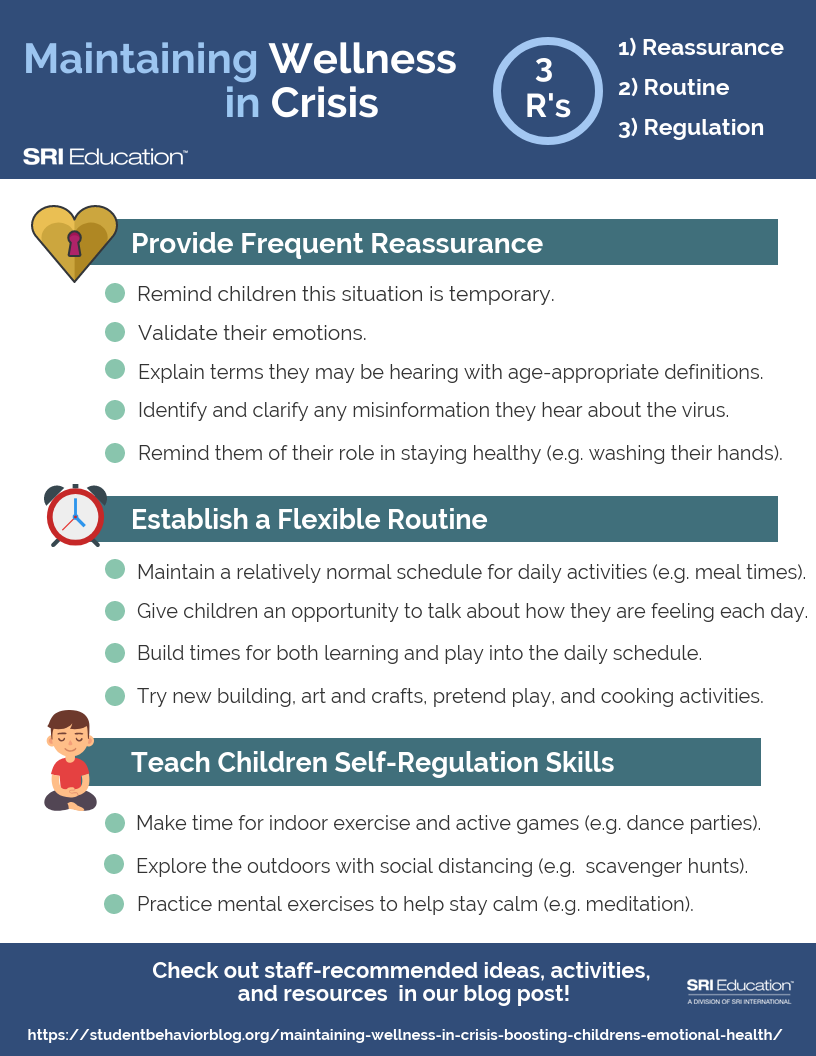
1. The Power of Play: Unleashing Creativity and Joy
Play, often seen as a frivolous pastime, is a cornerstone of childhood development. It is during these moments of unstructured, imaginative exploration that children learn, grow, and build the foundations of their mental well-being.
The Magic of Make-Believe
When children engage in pretend play, they step into fantastical worlds where they can be anything they imagine. They become superheroes, princesses, astronauts, or even mischievous pirates. This imaginative play allows them to process their emotions, work through fears, and develop problem-solving skills.
The Importance of Outdoor Play
Fresh air, sunshine, and the great outdoors offer a wealth of benefits for children’s mental health. Playing outside encourages physical activity, which releases endorphins, the body’s natural mood boosters. It also provides opportunities for social interaction, fostering friendships and a sense of belonging.
The Joy of Games and Puzzles
Board games, card games, and puzzles offer a fun and engaging way to stimulate children’s minds. These activities promote strategic thinking, concentration, and problem-solving skills. They also provide opportunities for family bonding and quality time together.
The Therapeutic Benefits of Art and Music
Art and music are powerful tools for self-expression and emotional release. Creating art allows children to express their thoughts and feelings in a non-verbal way. Music, on the other hand, can evoke strong emotions and memories, promoting relaxation and stress relief.
The Importance of Reading
Reading is a gateway to countless worlds and experiences. It stimulates the imagination, expands vocabulary, and improves reading comprehension skills. It also provides opportunities for empathy and understanding, as children connect with characters and their stories.
The Role of Nature in Child Development
Spending time in nature has a profound impact on children’s mental and emotional well-being. It reduces stress, improves attention span, and fosters a sense of wonder and appreciation for the natural world.
The Power of Mindfulness
Mindfulness practices, such as meditation and yoga, can help children develop self-awareness, focus, and emotional regulation. These techniques can be adapted to suit children’s needs and interests, such as mindfulness coloring or guided imagery.
The Importance of Sleep
Adequate sleep is essential for children’s physical and mental health. It helps to consolidate memories, regulate mood, and boost the immune system. Establishing a consistent bedtime routine can help children develop healthy sleep habits.
The Role of Nutrition
A healthy diet provides the nutrients necessary for optimal brain function. Eating a balanced diet, rich in fruits, vegetables, whole grains, and lean protein, can help children focus, learn, and feel their best.
By incorporating these elements into their daily lives, children can develop strong foundations for mental wellness that will benefit them throughout their lives. Let’s celebrate the power of play and nurture the young minds of tomorrow.
Kreativität – Die geheime Zutat für ein glückliches Kind
Kreativität ist mehr als nur das Malen eines Bildes oder das Schreiben eines Gedichts. Sie ist ein Werkzeug, das Kindern hilft, die Welt zu verstehen, Probleme zu lösen und ihre einzigartige Persönlichkeit auszudrücken. Wenn Kinder kreativ sind, fühlen sie sich befähigt, glücklich und selbstbewusst.
Warum ist Kreativität so wichtig?
Fördert Problemlösungsfähigkeiten: Kreative Kinder können anders denken und ungewöhnliche Lösungen finden.
Wie können Sie die Kreativität Ihres Kindes fördern?
1. Schaffen Sie eine kreative Umgebung:
2. Unterstützen Sie freie Spielzeit:
3. Fördern Sie das Interesse an Kunst und Kultur:
4. Ermutigen Sie zum Experimentieren:
5. Loben Sie den Prozess, nicht nur das Ergebnis:
Kreativität ist ein Geschenk, das wir unseren Kindern machen können. Indem wir ihnen die Möglichkeit geben, ihre Fantasie zu entfalten, helfen wir ihnen, ihr volles Potenzial zu entfalten. Ein kreatives Kind ist ein glückliches Kind, und ein glückliches Kind ist ein erfolgreiches Kind.


