

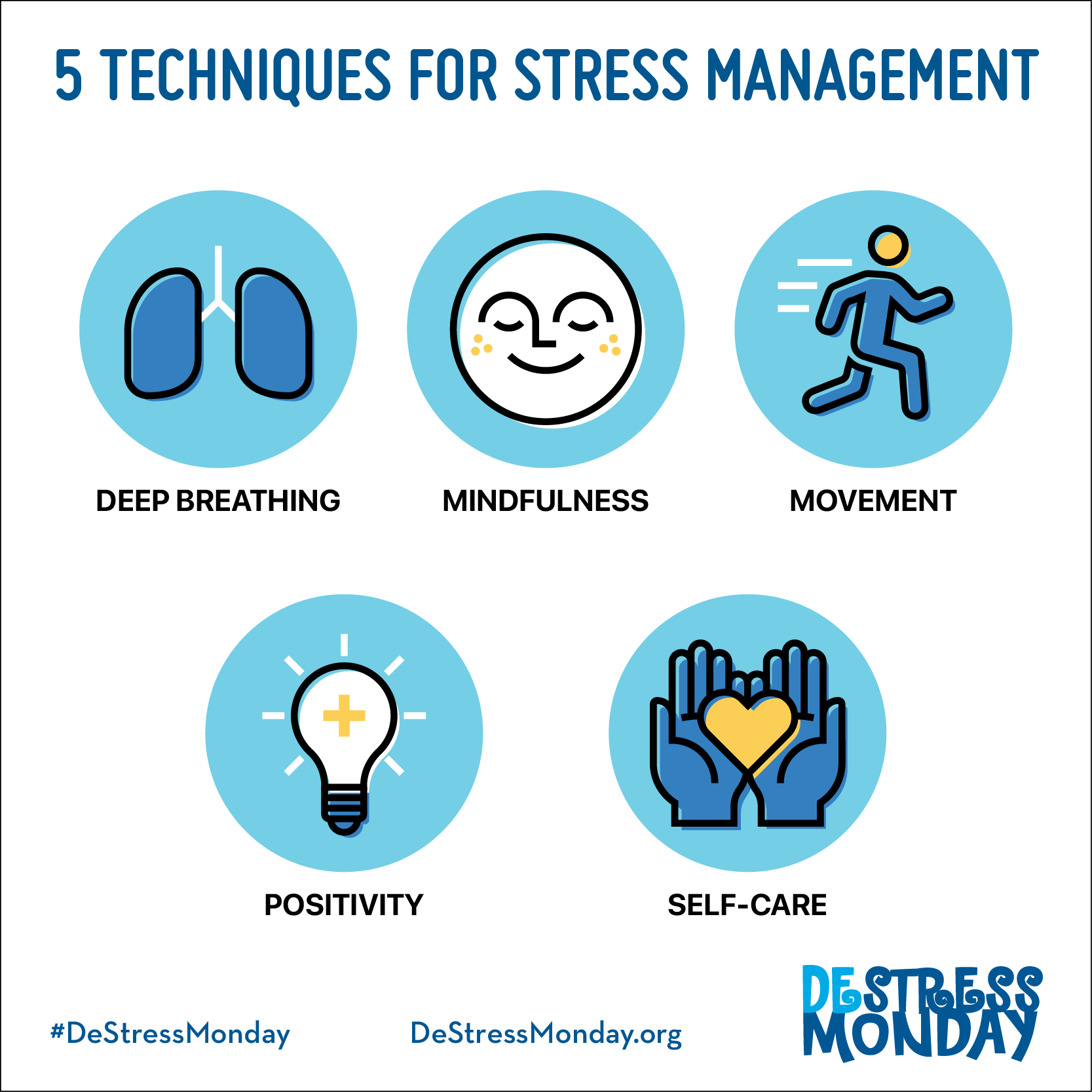
Meditation, often associated with ancient philosophies and spiritual practices, has transcended its traditional roots to become a popular tool for modern stress management. At its core, meditation is a simple yet profound technique that involves training your mind to focus and redirect your thoughts.
The Science Behind Meditation
While meditation might seem like a passive activity, it triggers a cascade of physiological and psychological changes in the body. Regular practice has been shown to:
Reduce Stress Hormones: Meditation can lower levels of cortisol, the primary stress hormone.
Getting Started with Meditation
Find a Quiet Space: Choose a peaceful location where you won’t be disturbed.
Meditation Techniques for Beginners
Mindfulness Meditation: This technique involves paying attention to the present moment without judgment.
Overcoming Common Challenges
Restlessness: If your mind is racing, try a body scan meditation, focusing on each part of your body.
Incorporating Meditation into Daily Life
Morning Meditation: Start your day with a calm and focused mind.
Meditation and Modern Life
In our fast-paced world, meditation offers a much-needed respite. By taking a few moments each day to quiet the mind, we can reduce stress, enhance our well-being, and live a more fulfilling life.
Aromatherapie, die Kunst, Düfte für das Wohlbefinden einzusetzen, ist eine wunderbare Möglichkeit, den Alltagsstress zu vertreiben. Die ätherischen Öle, die aus Pflanzen gewonnen werden, können unsere Sinne beruhigen, unsere Stimmung heben und sogar körperliche Beschwerden lindern.
Wie funktioniert Aromatherapie?
Ätherische Öle dringen durch unsere Haut und unsere Atemwege in unseren Körper ein. Sie interagieren mit unserem limbischen System, dem Teil unseres Gehirns, der für Emotionen und Erinnerungen verantwortlich ist. Durch die Stimulation dieser Bereiche können ätherische Öle unsere Stimmung beeinflussen, unsere Konzentration steigern und unseren Schlaf verbessern.
Welche Öle eignen sich besonders gut zur Stressbewältigung?
Lavendel: Lavendelöl ist eines der beliebtesten ätherischen Öle zur Stressreduktion. Es wirkt beruhigend und entspannend auf Geist und Körper.
Wie kann man Aromatherapie in den Alltag integrieren?
Es gibt viele Möglichkeiten, Aromatherapie in den Alltag zu integrieren. Hier sind einige einfache Tipps:
Diffuser: Ein Diffuser ist eine großartige Möglichkeit, ätherische Öle im Raum zu verteilen. Du kannst ihn in deinem Schlafzimmer, Wohnzimmer oder Büro verwenden.
Ein paar zusätzliche Tipps:
Qualität zählt: Achte darauf, hochwertige ätherische Öle zu kaufen.
Aromatherapie ist eine einfache und effektive Möglichkeit, Stress abzubauen und dein Wohlbefinden zu steigern. Probiere es aus und erlebe die entspannende Wirkung der Düfte selbst!


