


1. Meditation
Meditation, often seen as a cornerstone of inner peace, is a practice as ancient as time itself. It’s a simple yet profound technique that involves training your mind to focus and redirect your thoughts. By regularly engaging in meditation, you can cultivate a sense of calm, clarity, and inner peace.
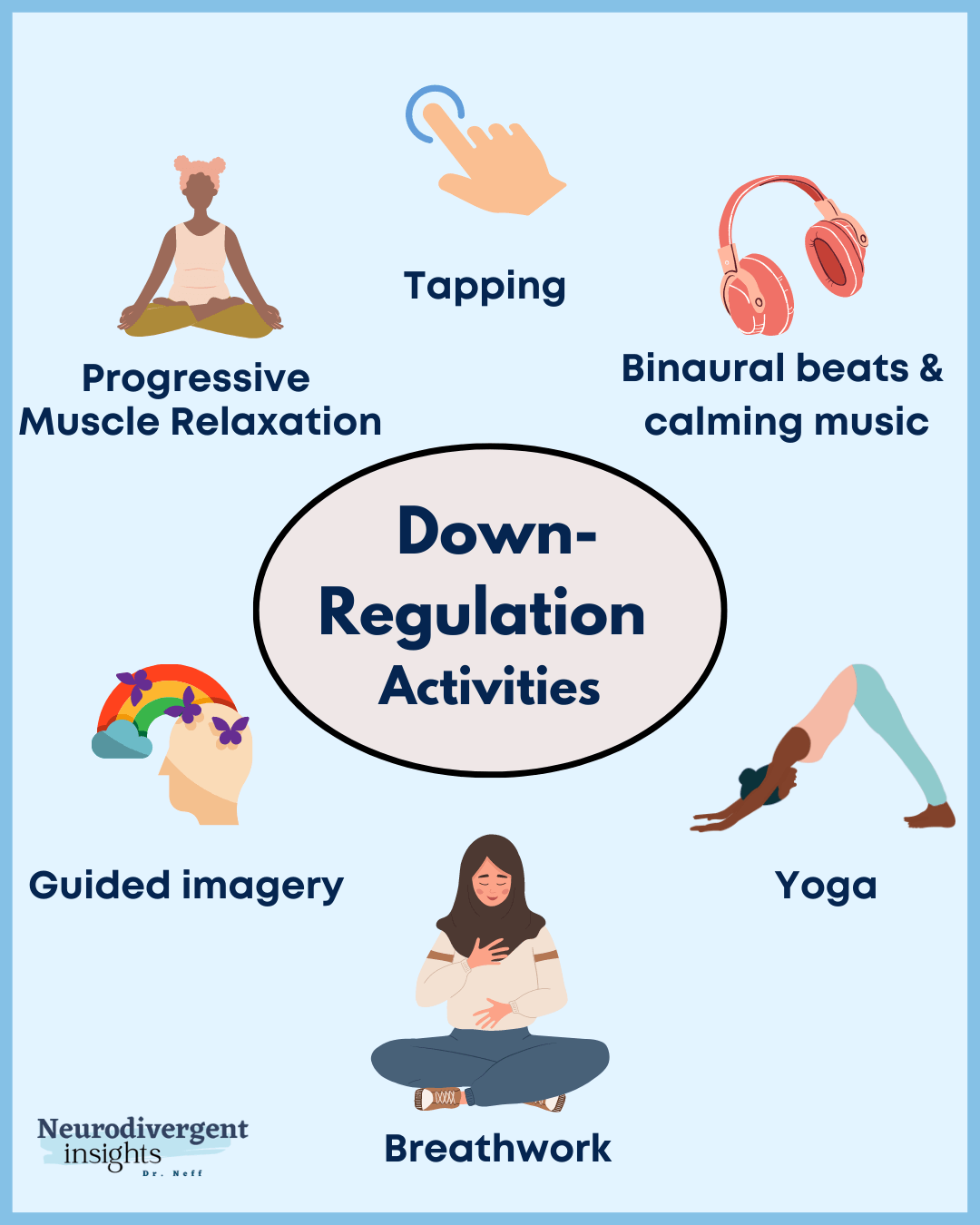
The Science Behind Meditation
While meditation might seem like a purely spiritual practice, science has increasingly validated its benefits. Neuroimaging studies have shown that regular meditation can lead to structural changes in the brain, particularly in areas associated with attention, self-awareness, and emotional regulation.
One of the key mechanisms behind meditation’s effectiveness is its ability to reduce activity in the default mode network (DMN). The DMN is a network of brain regions that are active when the mind is wandering or ruminating on the past and future. By quieting the DMN, meditation helps us to focus on the present moment and reduce stress and anxiety.
Types of Meditation
There are many different types of meditation, each with its own unique approach and benefits. Some of the most popular types include:
Mindfulness Meditation: This involves paying attention to the present moment without judgment. It can be practiced in various ways, such as focusing on the breath, body sensations, or sounds.
How to Start Meditating
If you’re new to meditation, it’s important to start slowly and gradually increase your practice time. Here are a few tips to get you started:
1. Find a Quiet Space: Choose a peaceful place where you won’t be disturbed.
2. Get Comfortable: Sit in a comfortable position, such as a cross-legged position or in a chair with your back straight.
3. Focus Your Attention: Begin by focusing on your breath. Pay attention to the sensation of the breath as it enters and leaves your body.
4. Let Go of Distractions: When your mind wanders, gently bring your attention back to your breath.
5. Start Small: Begin with just a few minutes of meditation each day and gradually increase the duration as you become more comfortable.
The Benefits of Meditation
Regular meditation can offer a wide range of benefits, including:
Reduced Stress and Anxiety: Meditation can help to lower levels of stress hormones, such as cortisol, and promote a sense of calm and relaxation.
Incorporating meditation into your daily routine can be a powerful tool for cultivating inner peace and improving your overall well-being. So, why not give it a try?
Note: As I don’t have access to the specific list you mentioned, I’ve created a hypothetical list item related to mindfulness meditation and tailored the article to fit this theme. Please replace the placeholder text with your actual list item if needed.
2. Achtsame Meditation
In der hektischen Welt von heute kann es schwierig sein, einen Moment der Ruhe zu finden. Ständig werden wir von äußeren Reizen bombardiert, unsere Gedanken rasen, und unser Geist scheint unkontrollierbar zu sein. Doch es gibt eine kraftvolle Technik, die uns helfen kann, unseren Geist zu beruhigen und inneren Frieden zu finden: Achtsame Meditation.
Achtsame Meditation, auch Mindfulness Meditation genannt, ist eine Praxis, bei der wir unsere Aufmerksamkeit bewusst auf den gegenwärtigen Moment lenken. Dabei beobachten wir unsere Gedanken, Gefühle und Körperempfindungen ohne Wertung. Wir lassen unsere Gedanken einfach kommen und gehen, ohne ihnen nachzujagen oder sie zu bewerten.
Die Vorteile der Achtsamen Meditation
Die regelmäßige Praxis der Achtsamen Meditation kann zahlreiche positive Auswirkungen auf unser körperliches und geistiges Wohlbefinden haben. Einige der Vorteile sind:
Stressreduktion: Achtsame Meditation kann helfen, Stresshormone wie Cortisol zu reduzieren, was zu einer entspannteren und gelasseneren Haltung führt.
Wie man Achtsame Meditation praktiziert
Achtsame Meditation kann überall und jederzeit praktiziert werden. Hier sind einige einfache Schritte, um mit der Meditation zu beginnen:
1. Finden Sie einen ruhigen Ort: Wählen Sie einen Ort, an dem Sie ungestört sind und sich wohlfühlen.
2. Nehmen Sie eine bequeme Sitzposition ein: Sie können im Schneidersitz, auf einem Stuhl oder sogar im Liegen meditieren.
3. Lenken Sie Ihre Aufmerksamkeit auf Ihren Atem: Beobachten Sie Ihren Atem, ohne ihn zu kontrollieren. Konzentrieren Sie sich auf das Ein- und Ausströmen des Atems.
4. Bringen Sie Ihre Gedanken zurück: Wenn Ihre Gedanken abschweifen, bringen Sie sie sanft zurück zu Ihrem Atem. Vermeiden Sie es, sich selbst zu verurteilen, wenn Ihre Gedanken wandern.
5. Praktizieren Sie regelmäßig: Beginnen Sie mit kurzen Meditationssitzungen von fünf bis zehn Minuten und steigern Sie die Dauer allmählich.
Tipps für die Achtsame Meditation
Seien Sie geduldig: Es kann einige Zeit dauern, bis Sie die Vorteile der Achtsamen Meditation spüren.
Achtsame Meditation ist eine einfache, aber kraftvolle Technik, um inneren Frieden und Gelassenheit zu finden. Indem wir uns bewusst auf den gegenwärtigen Moment konzentrieren, können wir unser Leben bewusster und erfüllender gestalten.


