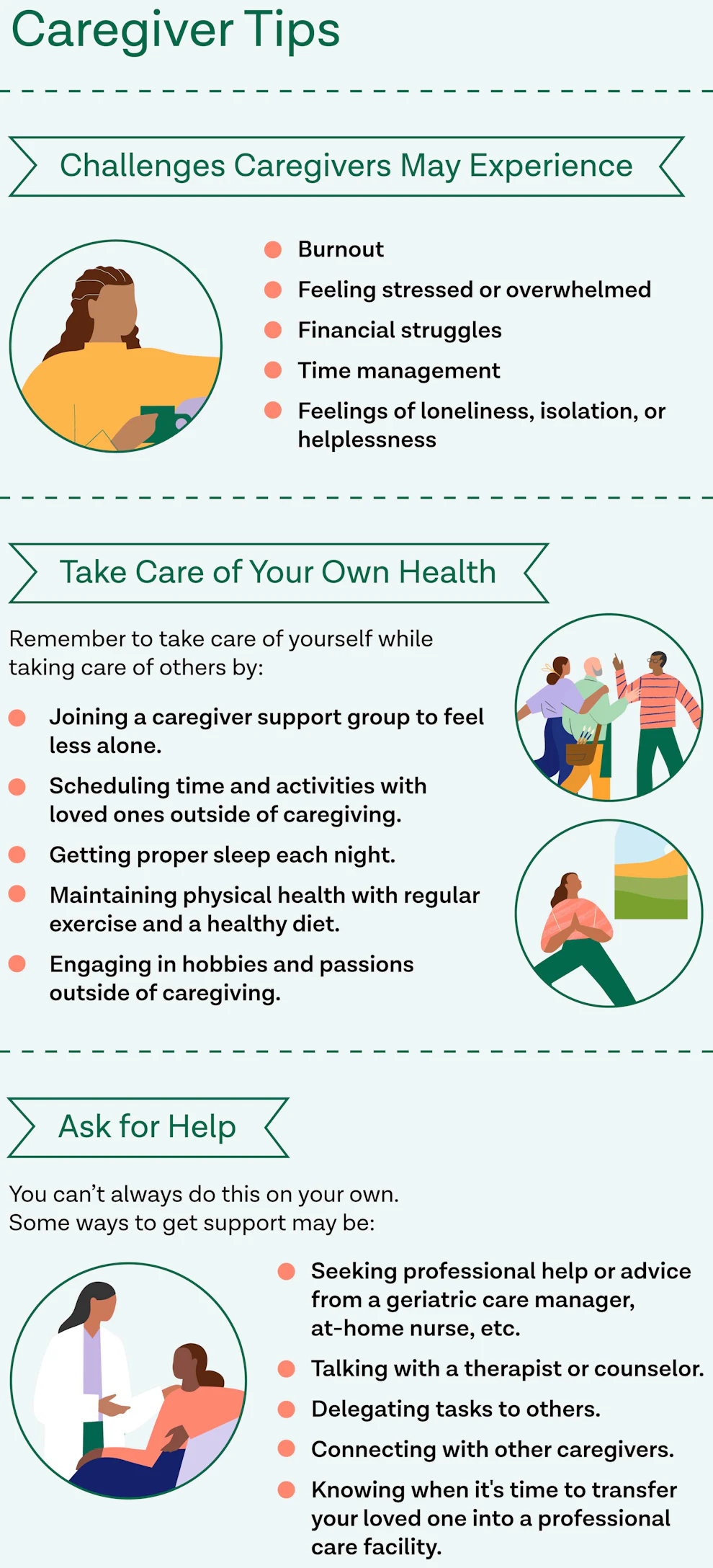
Nurturing Your Mind: Mental Wellness Strategies For Caregivers

Nurturing Your Mind: Mental Wellness Strategies For Caregivers
Caregiver Tips Oak Street Health

Inmitten des Wirbels der Pflege, wo jede Minute zählt und jede Entscheidung gewichtig ist, kann es leicht passieren, dass wir uns selbst vergessen. Doch gerade in diesen herausfordernden Zeiten ist es essentiell, auf unsere mentale Gesundheit zu achten. Eine bewährte Strategie dafür ist Achtsamkeit.

Achtsamkeit bedeutet, den gegenwärtigen Moment bewusst wahrzunehmen, ohne zu bewerten oder zu urteilen. Es ist wie ein Anker, der uns in der stürmischen See des Alltags geerdet hält. Durch Achtsamkeit können wir unsere Gedanken beruhigen, Stress reduzieren und unsere emotionale Balance wiederherstellen.

Wie kann man Achtsamkeit in den Alltag integrieren?

Achtsame Atmung: Nehmen Sie sich ein paar Minuten am Tag, um sich auf Ihren Atem zu konzentrieren. Beobachten Sie den sanften Fluss des Ein- und Ausatmens.

  • Achtsames Essen: Essen Sie bewusst und langsam. Spüren Sie die Texturen, die Aromen und die Empfindungen in Ihrem Körper.
  • Achtsame Bewegung: Egal, ob Sie Yoga, Tai Chi oder einfach nur einen Spaziergang machen, bewegen Sie sich bewusst und spüren Sie jede Bewegung.
  • Achtsame Meditation: Setzen Sie sich ruhig hin und lenken Sie Ihre Aufmerksamkeit auf Ihren Atem oder ein Mantra.
  • Achtsame Selbstfürsorge: Nehmen Sie sich Zeit für Aktivitäten, die Ihnen Freude bereiten. Lesen Sie ein Buch, hören Sie Musik, nehmen Sie ein Bad oder verbringen Sie Zeit in der Natur.
  • Die Vorteile der Achtsamkeit für Pflegende

    Achtsamkeit kann zahlreiche Vorteile für Pflegende bieten:

    Stressreduktion: Durch Achtsamkeit können Sie Stressoren besser erkennen und bewältigen.

  • Emotionale Balance: Achtsamkeit hilft Ihnen, Ihre Emotionen zu regulieren und negative Gedanken zu reduzieren.
  • Verbesserte Konzentration: Achtsamkeit kann Ihre Aufmerksamkeitsspanne verbessern und Ihnen helfen, sich besser auf Ihre Aufgaben zu konzentrieren.
  • Steigerung der Empathie: Achtsamkeit kann Ihnen helfen, die Bedürfnisse und Gefühle anderer besser zu verstehen.
  • Förderung der Geduld: Achtsamkeit kann Ihnen helfen, geduldiger und verständnisvoller zu sein.
  • Indem Sie Achtsamkeit in Ihren Alltag integrieren, können Sie Ihre mentale Gesundheit stärken und besser für sich selbst sorgen. Denken Sie daran, dass Selbstfürsorge keine egoistische Handlung ist, sondern eine notwendige Voraussetzung für eine gute Pflege.

    In the whirlwind of caregiving, it’s easy to get swept away. The constant demands, the endless to-do lists, the emotional weight – it can all become overwhelming. But amidst the chaos, there’s a quiet oasis: mindfulness.

    Mindfulness is the practice of being fully present in the moment, without judgment. It’s about tuning into your thoughts, feelings, and sensations without getting caught up in them. It’s a simple yet powerful tool that can help you navigate the challenges of caregiving with greater ease and clarity.

    Why Mindfulness for Caregivers?

    Mindfulness can offer numerous benefits for caregivers, including:

    Reduced stress and anxiety: Regular mindfulness practice can help calm your mind and reduce feelings of stress and anxiety.

  • Improved focus and concentration: By training your mind to stay present, you can enhance your ability to focus on tasks, even in the midst of distractions.
  • Enhanced emotional regulation: Mindfulness can help you better understand and manage your emotions, preventing them from overwhelming you.
  • Increased compassion and empathy: By cultivating a deeper awareness of your own experiences, you can develop greater compassion and empathy for yourself and others.
  • Strengthened relationships: Mindfulness can improve your communication skills and foster stronger relationships with your loved ones.
  • How to Practice Mindfulness

    You don’t need to be a meditation guru to start practicing mindfulness. Here are a few simple techniques you can try:

    Mindful breathing: Take a few moments to focus on your breath. Pay attention to the sensation of the air moving in and out of your nostrils.

  • Body scan meditation: Bring your attention to different parts of your body, noticing any sensations without judgment.
  • Mindful eating: Slow down and savor each bite of your food. Pay attention to the taste, texture, and smell.
  • Mindful walking: Take a leisurely walk and focus on the sensation of your feet touching the ground.
  • Mindful listening: When you’re having a conversation, give your full attention to the other person. Listen actively without interrupting.
  • Incorporating Mindfulness into Your Daily Life

    To make mindfulness a regular part of your life, try these tips:

    Set aside dedicated time: Schedule a few minutes each day for mindfulness practice.

  • Start small: Begin with short mindfulness sessions and gradually increase the duration.
  • Find a quiet space: Choose a peaceful place where you won’t be disturbed.
  • Use mindfulness apps: There are many mindfulness apps available that can guide you through different practices.
  • Practice mindfulness in everyday activities: Incorporate mindfulness into your daily routine, such as while brushing your teeth, washing dishes, or driving.
  • Remember, mindfulness is a journey, not a destination. Don’t get discouraged if your mind wanders. Simply bring your attention back to the present moment. With consistent practice, you’ll start to experience the many benefits of this powerful tool.

    Related posts