


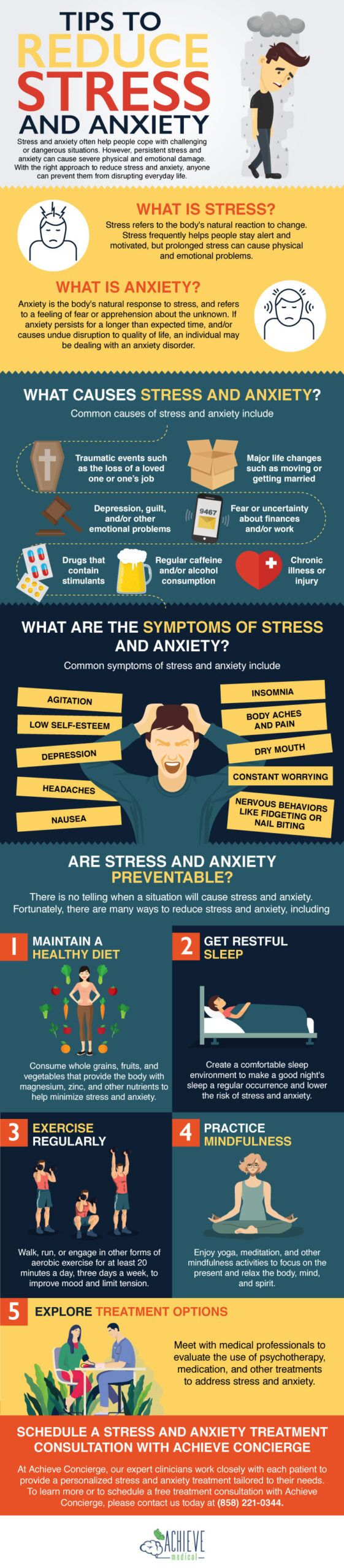
In the whirlwind of life’s transitions, it’s easy to get swept away by the currents of change. But imagine being a calm observer, watching the waves rise and fall without being tossed about. This is the power of mindfulness. It’s about anchoring ourselves in the present moment, letting go of worries about the past or future.
Think of your mind as a garden. Over time, weeds of stress and anxiety can sprout, choking out the beautiful flowers of peace and clarity. Mindfulness is the gardener, tending to the garden, pulling out the weeds, and nurturing the blossoms.
How to Cultivate Mindfulness
1. Mindful Breathing:
2. Mindful Meditation:
3. Mindful Eating:
4. Mindful Walking:
5. Mindful Listening:
The Benefits of Mindfulness
Regular mindfulness practice can lead to a host of benefits, including:
Reduced stress and anxiety: By calming the mind, mindfulness can help alleviate stress and anxiety.
Incorporating Mindfulness into Daily Life
Mindfulness doesn’t have to be a formal practice. You can incorporate it into your daily life in simple ways. For example:
Take mindful breaks throughout the day: Even a few minutes of mindfulness can make a big difference.
Remember, the key to mindfulness is consistency. Even a few minutes of practice each day can make a significant difference. So, take a deep breath, let go of the stress, and embrace the power of the present moment.
In the whirlwind of life’s transitions, it’s easy to feel overwhelmed and anxious. But amidst the chaos, there exists a powerful tool to help you navigate these turbulent waters: mindfulness. It’s like a lighthouse, guiding you through the storm and bringing you back to the present moment.
What is Mindfulness, Really?
Mindfulness isn’t just a buzzword or a fleeting trend. It’s a practice that has been around for centuries, rooted in ancient wisdom traditions. At its core, mindfulness is the simple act of paying attention to the present moment, without judgment. It’s about being fully aware of your thoughts, feelings, and sensations as they arise.
Why Mindfulness Matters
So, why should you care about mindfulness? Well, the benefits are numerous and far-reaching. Studies have shown that regular mindfulness practice can:
Reduce stress and anxiety: By anchoring you to the present moment, mindfulness can help alleviate the worries and anxieties that often accompany life’s transitions.
How to Incorporate Mindfulness into Your Daily Life
You don’t need to spend hours meditating in a quiet room to reap the benefits of mindfulness. Here are a few simple ways to incorporate mindfulness into your daily life:
1. Mindful Breathing: Take a few moments each day to focus on your breath. Pay attention to the sensation of the air entering and leaving your nostrils.
2. Mindful Eating: Slow down and savor each bite of your food. Pay attention to the taste, texture, and smell of your meal.
3. Mindful Walking: Take a leisurely walk and focus on the sensations of your feet touching the ground, the rhythm of your breath, and the sights and sounds around you.
4. Mindful Listening: When you’re having a conversation with someone, give them your full attention. Listen actively and respond thoughtfully.
5. Mindful Yoga: Yoga combines physical postures, breathing exercises, and meditation, making it a great way to practice mindfulness.
Remember, mindfulness is a journey, not a destination. Don’t get discouraged if your mind wanders. Simply bring your attention back to the present moment. With consistent practice, you’ll begin to notice a shift in your perspective and a greater sense of peace and well-being.
So, the next time you find yourself feeling overwhelmed or stressed, try turning to mindfulness. It might just be the key to unlocking a calmer, happier, and more fulfilling life.


