

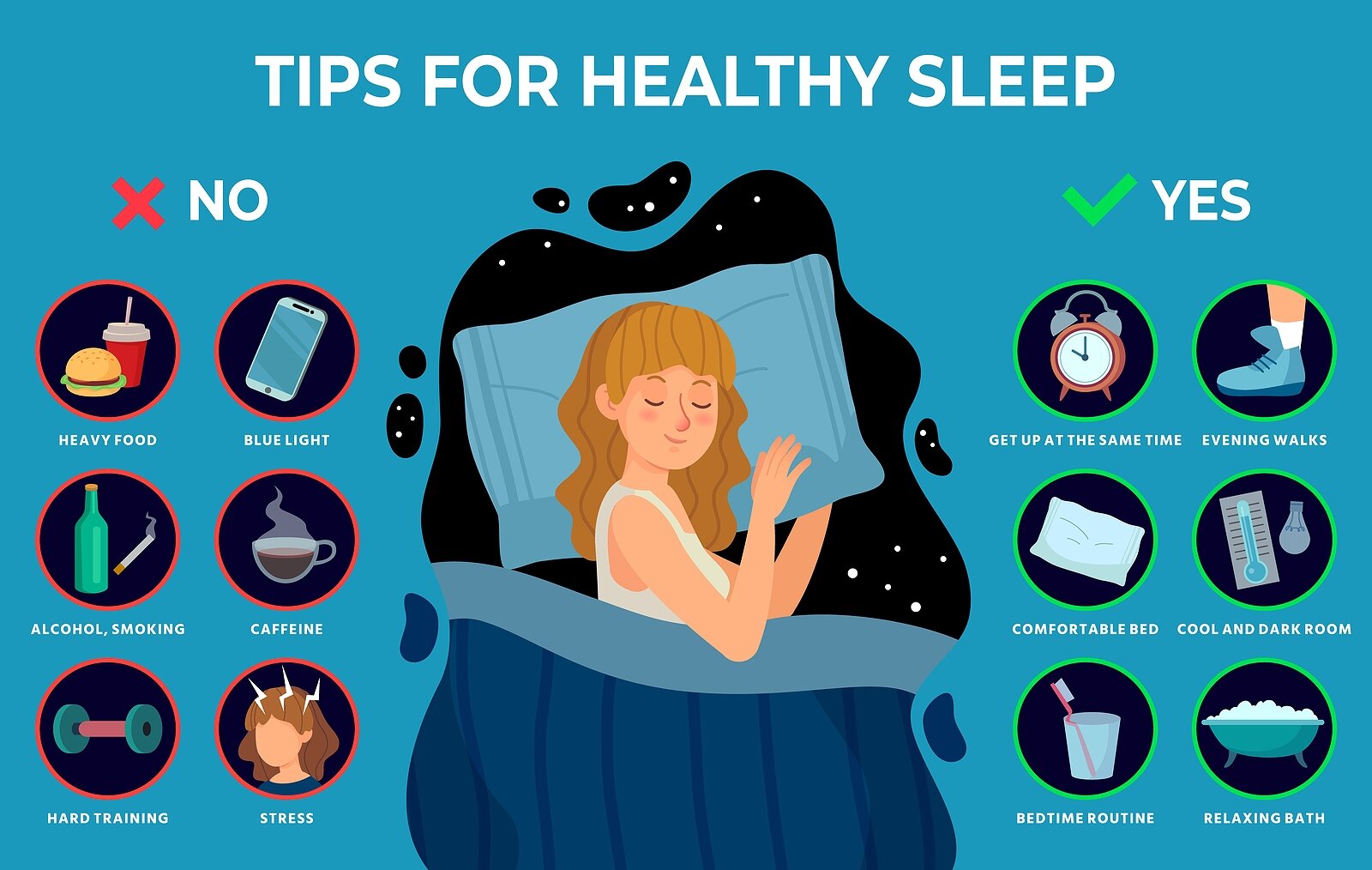
Sleep, often overlooked in the whirlwind of college life, is the cornerstone of mental wellness. It’s the time when your brain recharges, sorts through the day’s experiences, and solidifies memories. When you skimp on sleep, you’re not just trading it for a few more hours of study; you’re compromising your cognitive abilities, mood, and overall well-being.
Why Sleep Matters
Cognitive Function: Sleep is essential for optimal cognitive performance. It helps improve memory, attention, problem-solving, and decision-making skills.
Tips for Better Sleep
1. Establish a Consistent Sleep Schedule: Go to bed and wake up at the same time every day, even on weekends. This helps regulate your body’s internal clock.
2. Create a Relaxing Bedtime Routine: Wind down before bed with a calming activity like reading a book, taking a warm bath, or practicing meditation.
3. Optimize Your Sleep Environment: Ensure your bedroom is dark, quiet, and cool. Invest in a comfortable mattress, pillows, and bedding.
4. Limit Screen Time Before Bed: The blue light emitted by electronic devices can interfere with sleep. Avoid screens for at least an hour before bed.
5. Watch Your Diet: Avoid heavy meals, caffeine, and alcohol close to bedtime. These can disrupt your sleep.
6. Manage Stress: Practice stress-reduction techniques like yoga, deep breathing, or journaling to promote relaxation and better sleep.
The Power of a Good Night’s Sleep
When you prioritize sleep, you’re investing in your future. You’ll be more focused, productive, and resilient. You’ll also be better equipped to handle the challenges of college life and maintain a positive outlook.
Remember, sleep is not a luxury; it’s a necessity. So, make it a priority and reap the rewards of a well-rested mind and body.
In the vast ocean of college life, it’s easy to feel adrift. But remember, you’re not alone. One of the most potent antidotes to loneliness and stress is finding your tribe – a group of people who understand you, support you, and make you laugh.
Why is a Tribe Important?
Emotional Support: Sharing your feelings with people who genuinely care can alleviate stress and anxiety.
How to Find Your Tribe
1. Join Clubs and Organizations:
2. Attend Campus Events:
3. Utilize Social Media:
4. Strike Up Conversations:
Tips for Building Strong Bonds
Be Yourself: Authenticity is key to building genuine relationships.
Remember, college is a journey, not a race. Take your time to find your people. When you do, you’ll discover a support system that will enrich your college experience and beyond.


