

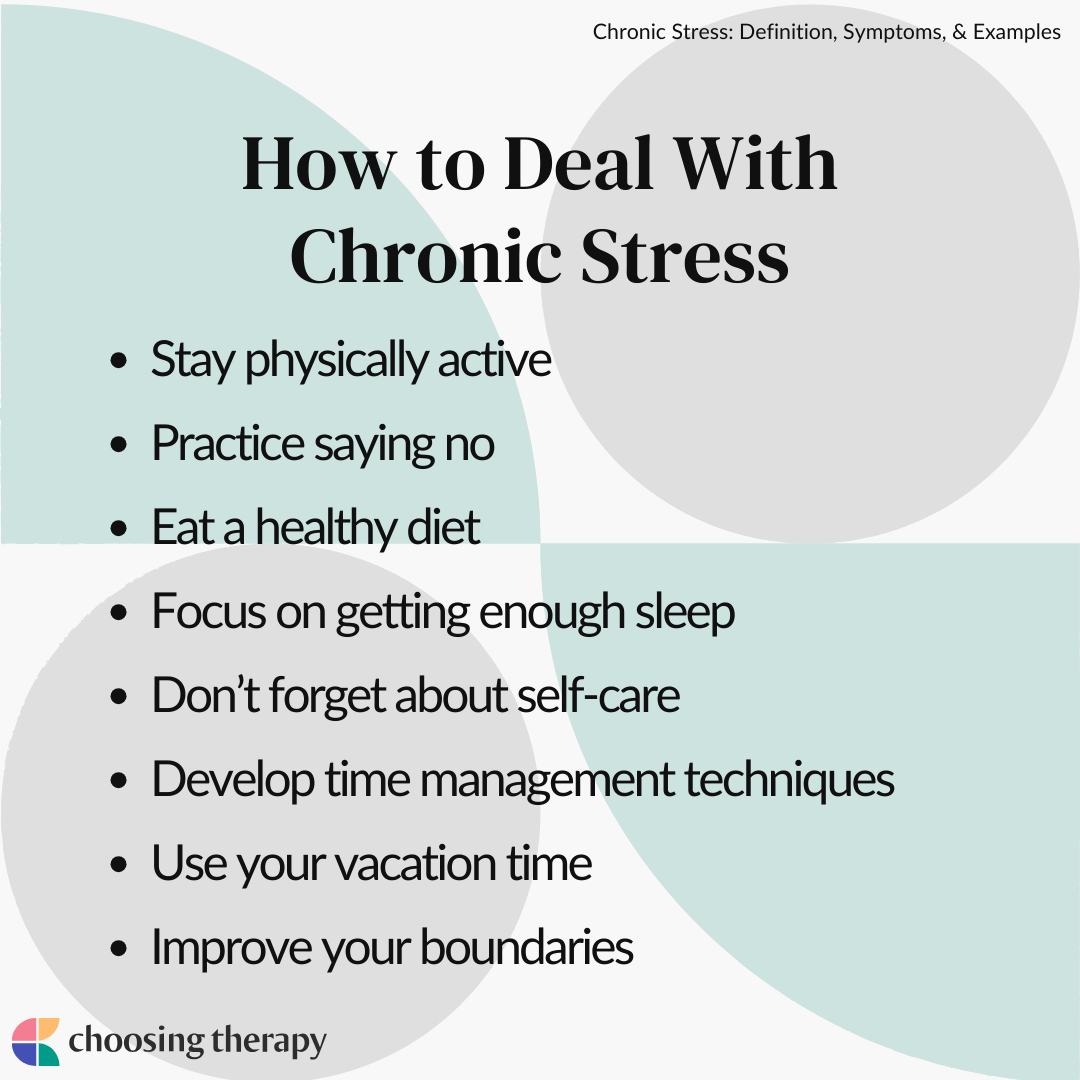
Meditation, often seen as a practice reserved for monks or yogis, is a powerful tool that can be easily integrated into your daily life. It’s a simple yet profound technique that can help you manage chronic stress, improve focus, and enhance your overall well-being.
Understanding Meditation
At its core, meditation is the practice of training your mind to focus and redirect your thoughts. It involves sitting quietly, often with your eyes closed, and bringing your attention to your breath or a specific object of focus. This practice can help you develop a sense of calm and inner peace.
Benefits of Meditation
The benefits of meditation are numerous and well-documented. Here are a few of the most significant:
Stress Reduction: Regular meditation can significantly reduce stress hormones like cortisol, leading to a calmer and more relaxed state of mind.
Getting Started with Meditation
If you’re new to meditation, here are a few tips to help you get started:
1. Find a Quiet Space: Choose a peaceful place where you won’t be disturbed.
2. Comfortable Posture: Sit in a comfortable position, either on a cushion or in a chair.
3. Focus on Your Breath: Begin by focusing on your breath. Pay attention to the sensation of the air entering and leaving your nostrils.
4. Mindful Breathing: As your thoughts wander, gently bring your attention back to your breath.
5. Start Small: Begin with just a few minutes of meditation each day and gradually increase the duration as you become more comfortable.
Meditation Techniques
There are many different meditation techniques, each with its own unique benefits. Here are a few popular options:
Mindfulness Meditation: This technique involves paying attention to the present moment without judgment.
Overcoming Challenges
It’s normal to experience challenges as you begin your meditation practice. Here are a few tips to help you overcome common obstacles:
Be Patient: It takes time to develop a regular meditation practice. Don’t get discouraged if your mind wanders.
By incorporating meditation into your daily routine, you can experience a profound sense of peace and well-being. So, why not give it a try? Your future self will thank you.
Meditation und Achtsamkeit sind zwei kraftvolle Werkzeuge, die dir helfen können, deinen inneren Frieden zu finden und chronischen Stress zu reduzieren. Indem du dich auf den gegenwärtigen Moment konzentrierst und deine Gedanken und Gefühle ohne Urteil wahrnimmst, kannst du dein Stresslevel senken und dein allgemeines Wohlbefinden steigern.
Was ist Meditation?
Meditation ist eine Praxis, bei der du deine Aufmerksamkeit auf einen bestimmten Fokuspunkt lenkst, wie zum Beispiel deinen Atem oder ein Mantra. Durch regelmäßige Meditation kannst du dein Bewusstsein schärfen, deine Konzentration verbessern und deine Emotionen besser regulieren.
Was ist Achtsamkeit?
Achtsamkeit ist die Fähigkeit, den gegenwärtigen Moment bewusst wahrzunehmen, ohne zu urteilen. Indem du achtsam bist, kannst du dich von deinen Gedanken und Sorgen lösen und dich voll und ganz auf das Hier und Jetzt konzentrieren.
Wie können Meditation und Achtsamkeit helfen, Stress zu reduzieren?
Stressreduktion: Durch regelmäßige Meditation und Achtsamkeitspraxis kannst du dein Stresslevel deutlich senken. Studien haben gezeigt, dass Meditation die Aktivität der Amygdala, dem Teil des Gehirns, der für die Stressreaktion verantwortlich ist, reduzieren kann.
Einfache Tipps für den Einstieg:
Finde einen ruhigen Ort: Suche dir einen ruhigen Ort, an dem du ungestört meditieren kannst.
Achtsamkeitsübungen für den Alltag:
Achtsames Atmen: Nimm dir ein paar Minuten Zeit, um bewusst auf deinen Atem zu achten. Atme langsam und tief ein und aus.
Indem du regelmäßig Meditation und Achtsamkeit in deinen Alltag integrierst, kannst du dein Stresslevel senken, deine mentale Gesundheit verbessern und ein erfüllteres Leben führen. Beginne noch heute damit, deinen inneren Frieden zu finden.


