


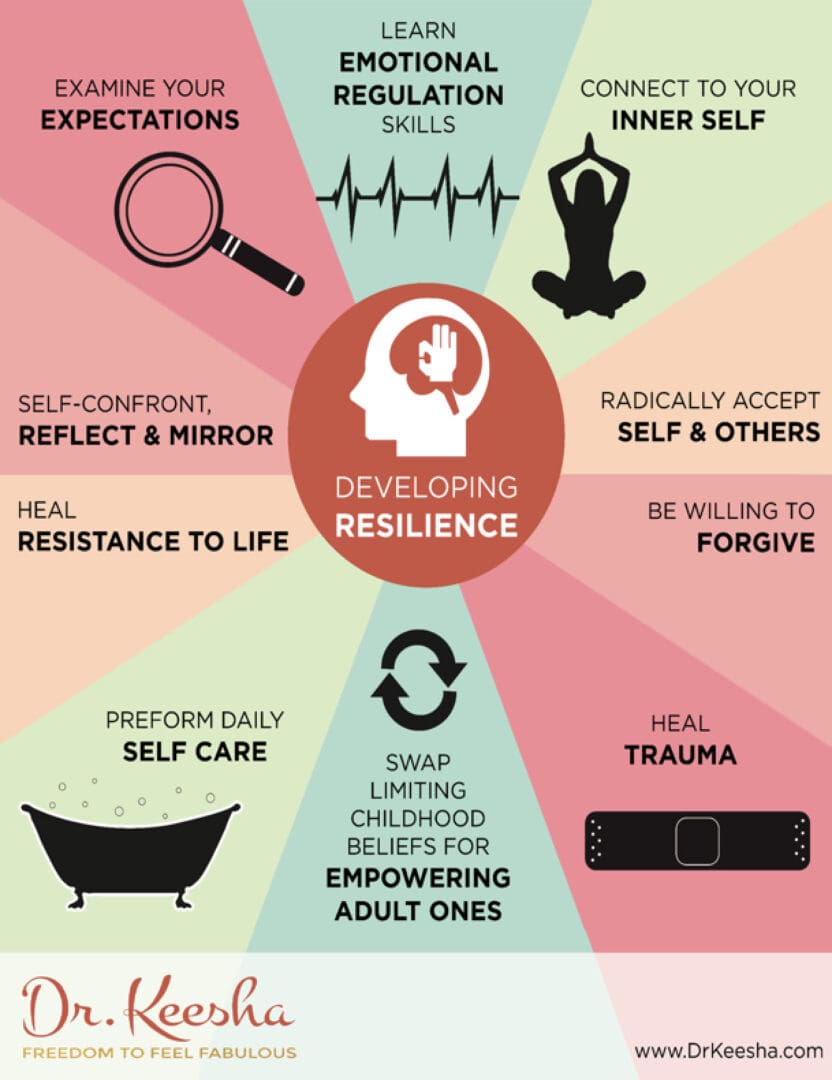
Achtsamkeit, oder Mindfulness, ist eine Praxis, die uns hilft, im gegenwärtigen Moment zu leben. Es ist eine Einladung, unsere Gedanken, Gefühle und Empfindungen ohne Urteil zu beobachten. Diese einfache, aber tiefgreifende Praxis kann uns dabei unterstützen, unsere innere Stärke zu kultivieren und unsere emotionale Widerstandsfähigkeit zu stärken.
Warum ist Achtsamkeit so wichtig?


In unserer schnelllebigen Welt sind wir oft von Stress, Sorgen und negativen Gedanken überfordert. Achtsamkeit hilft uns, diesen mentalen Lärm zu reduzieren und einen Zustand der inneren Ruhe zu erreichen. Wenn wir achtsam sind, können wir unsere Gedanken und Gefühle besser verstehen und akzeptieren, anstatt uns von ihnen überwältigen zu lassen.
Wie kann ich Achtsamkeit in meinen Alltag integrieren?
Achtsamkeit muss nicht kompliziert sein. Es gibt viele einfache Möglichkeiten, diese Praxis in Ihren Alltag zu integrieren:
Achtsame Atmung: Nehmen Sie sich ein paar Minuten Zeit, um sich auf Ihre Atmung zu konzentrieren. Beobachten Sie den natürlichen Rhythmus Ihres Atems, ohne ihn zu kontrollieren.
Die Vorteile der Achtsamkeit
Die regelmäßige Praxis der Achtsamkeit kann zahlreiche Vorteile für Ihre körperliche und geistige Gesundheit haben. Einige der wichtigsten Vorteile sind:
Reduzierter Stress: Achtsamkeit kann helfen, Stresshormone zu reduzieren und ein Gefühl der Ruhe und Gelassenheit zu fördern.
Ein Achtsamkeitsritual für den Alltag
Um die Achtsamkeit in Ihren Alltag zu integrieren, können Sie ein einfaches Ritual entwickeln. Hier ist ein Beispiel:
1. Wählen Sie einen ruhigen Ort: Finden Sie einen Ort, an dem Sie ungestört sind und sich entspannen können.
2. Nehmen Sie eine bequeme Haltung ein: Setzen Sie sich aufrecht hin oder legen Sie sich hin, je nachdem, was für Sie angenehmer ist.
3. Schließen Sie Ihre Augen: Schließen Sie sanft Ihre Augen, um äußere Ablenkungen zu minimieren.
4. Konzentrieren Sie sich auf Ihre Atmung: Lenken Sie Ihre Aufmerksamkeit auf Ihren Atem. Beobachten Sie den natürlichen Rhythmus Ihres Atems, ohne ihn zu kontrollieren.
5. Bringen Sie Ihre Gedanken zurück: Wenn Ihre Gedanken abschweifen, bringen Sie sie sanft zurück zu Ihrer Atmung.
6. Beenden Sie die Meditation: Nach einigen Minuten öffnen Sie langsam Ihre Augen und nehmen Sie sich einen Moment Zeit, um die Ruhe und Klarheit zu genießen.
Indem Sie dieses einfache Ritual regelmäßig praktizieren, können Sie die Kraft der Achtsamkeit nutzen, um Ihre innere Stärke zu kultivieren und Ihre emotionale Widerstandsfähigkeit zu stärken.
Meditation: A Quiet Mind, A Strong Soul
In our fast-paced world, filled with constant noise and distractions, finding inner peace can seem like a distant dream. Yet, it’s a crucial ingredient for emotional resilience. Meditation, an ancient practice, offers a powerful tool to cultivate this tranquility.
What is Meditation?
At its core, meditation is a practice of mindfulness. It involves focusing your attention on a specific object, such as your breath, a mantra, or a particular body sensation. This focused attention helps to calm the mind, reduce stress, and increase self-awareness.
The Benefits of Meditation
The benefits of meditation are numerous and profound. Regular meditation can:
Reduce Stress and Anxiety: By calming the mind and body, meditation can significantly reduce stress and anxiety levels.
How to Meditate
Meditation doesn’t require any special equipment or training. Here’s a simple guide to get you started:
1. Find a Quiet Place: Choose a peaceful spot where you won’t be disturbed.
2. Get Comfortable: Sit or lie down in a comfortable position.
3. Focus Your Attention: Begin by focusing on your breath. Pay attention to the sensation of the air moving in and out of your nostrils.
4. Let Go of Distractions: When your mind wanders, gently bring your attention back to your breath.
5. Start Small: Begin with just a few minutes of meditation each day. As you become more comfortable, you can gradually increase the duration of your practice.
Meditation Techniques
There are many different meditation techniques, each with its own unique benefits. Here are a few popular options:
Mindfulness Meditation: This technique involves paying attention to the present moment without judgment.
Incorporating Meditation into Your Daily Life
Meditation doesn’t have to be a formal, hour-long practice. You can incorporate it into your daily life in many ways. For example, you can meditate while you’re waiting in line, commuting to work, or taking a shower.
By making meditation a regular part of your routine, you can experience the many benefits of this powerful practice. Remember, the journey to inner peace is a personal one. There is no right or wrong way to meditate. The most important thing is to find a practice that works for you and stick with it.
So, why not take a few moments each day to quiet your mind and connect with your inner self? You may be surprised at the positive impact it can have on your life.


