

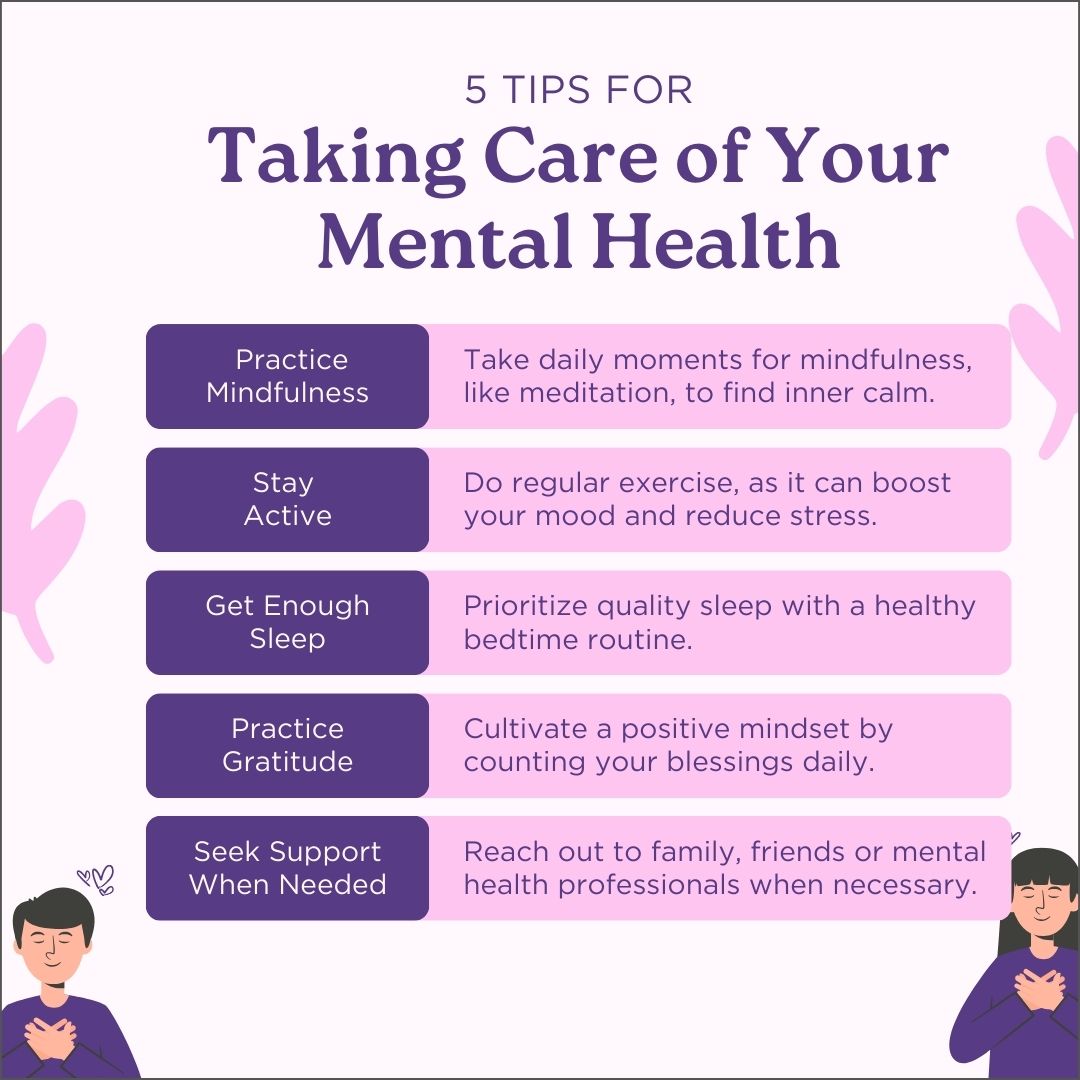
A Quiet Oasis Within
In our frenetic, noise-filled world, meditation offers a much-needed respite. It’s like a quiet oasis within, a serene space where we can reconnect with ourselves, our thoughts, and our breath. It’s a practice that has been revered for centuries, and for good reason.
The Power of Presence
At its core, meditation is about being present. It’s about anchoring ourselves in the here and now, rather than getting lost in the labyrinth of thoughts and worries that often occupy our minds. When we meditate, we learn to observe our thoughts without judgment. We notice them, acknowledge them, and then gently let them go.
The Benefits of Meditation
The benefits of meditation are far-reaching and profound. Regular meditation practice can:
Reduce stress and anxiety: By calming the mind and body, meditation can significantly reduce stress and anxiety levels.
How to Meditate
Meditation doesn’t have to be complicated. Here’s a simple guide to get you started:
1. Find a quiet space: Choose a peaceful place where you won’t be disturbed.
2. Get comfortable: Sit or lie down in a comfortable position.
3. Focus on your breath: Pay attention to the rise and fall of your breath.
4. Observe your thoughts: Notice your thoughts without judgment.
5. Return to your breath: When your mind wanders, gently bring it back to your breath.
Meditation Techniques
There are many different meditation techniques, each with its own unique benefits. Here are a few popular ones:
Mindfulness meditation: This involves paying attention to the present moment without judgment.
Incorporating Meditation into Your Daily Life
Meditation doesn’t have to be a time-consuming practice. Even a few minutes of meditation each day can make a significant difference. Here are a few tips for incorporating meditation into your daily life:
Start small: Begin with just a few minutes of meditation each day and gradually increase the duration as you become more comfortable.
By incorporating meditation into your daily routine, you can cultivate inner peace, reduce stress, and improve your overall well-being. So, why not give it a try?
Meditation in nature is a powerful practice that combines the calming effects of meditation with the restorative power of the natural world. By immersing yourself in nature, you can tap into a deeper sense of peace and tranquility.
The Science Behind It
Numerous studies have shown that spending time in nature can reduce stress, anxiety, and depression. The natural environment has a profound impact on our mental and emotional well-being. When we connect with nature, our bodies release stress hormones like cortisol and adrenaline, while simultaneously increasing the production of endorphins, our natural mood elevators.
How to Meditate in Nature
To begin your meditation in nature, find a peaceful outdoor space where you can sit or lie down undisturbed. This could be a park, a forest, a beach, or even your own backyard. Once you’ve found your spot, take a few deep breaths to center yourself. As you breathe, focus on the sounds of nature, such as the rustling of leaves, the chirping of birds, or the gentle lapping of waves.
Mindful Observation
As you continue to meditate, shift your attention to the sights and smells around you. Observe the intricate details of the natural world, from the delicate patterns on a leaf to the majestic expanse of the sky. Allow yourself to be fully present in the moment, without judgment or distraction.
Guided Meditation
If you find it helpful, you can use guided meditation to enhance your experience. Many guided meditations are available online or through meditation apps. These guided meditations can help you focus your attention, relax your body, and cultivate a sense of gratitude and peace.
Benefits of Meditation in Nature
Meditation in nature offers a multitude of benefits for your mental and physical health. Some of the key benefits include:
Reduced Stress and Anxiety: Immersing yourself in nature can help lower your stress levels and reduce feelings of anxiety.
Tips for a Successful Meditation in Nature
To make the most of your meditation in nature, consider the following tips:
Choose a Peaceful Location: Find a quiet spot where you won’t be disturbed.
By incorporating meditation in nature into your daily routine, you can cultivate a deeper connection with yourself and the natural world. This powerful practice can help you reduce stress, improve your mood, and enhance your overall well-being. So, the next time you’re feeling overwhelmed or stressed, take a moment to step outside and connect with nature.


