

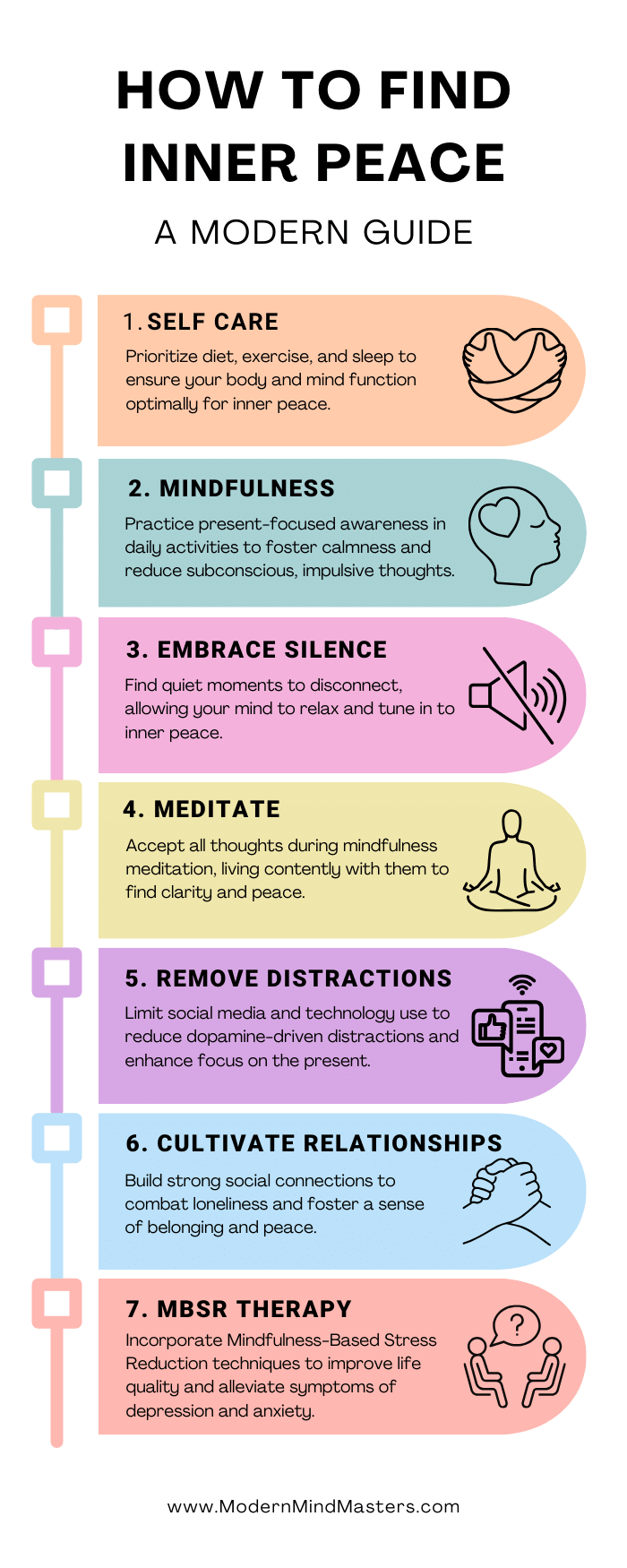
Meditation, an ancient practice with roots in various cultures, offers a powerful tool for cultivating inner harmony. By stilling the mind and focusing the attention, meditation can lead to a profound sense of peace and tranquility.
The Science Behind Meditation
While meditation may seem simple, its effects on the brain are complex and far-reaching. Regular meditation has been shown to:
Reduce stress and anxiety: By calming the nervous system, meditation can help alleviate symptoms of stress, anxiety, and depression.
Getting Started with Meditation
If you’re new to meditation, here are a few tips to help you get started:
1. Find a quiet space: Choose a peaceful place where you won’t be disturbed.
2. Get comfortable: Sit in a comfortable position, such as a cross-legged pose or in a chair.
3. Focus your attention: Begin by focusing on your breath. Pay attention to the sensation of the breath entering and leaving your body.
4. Let go of distractions: When your mind wanders, gently bring your attention back to your breath.
5. Start small: Begin with just a few minutes of meditation each day and gradually increase the duration as you become more comfortable.
Meditation Techniques
There are many different meditation techniques, each with its own unique benefits. Here are a few popular techniques to consider:
Mindfulness meditation: This technique involves paying attention to the present moment without judgment.
The Benefits of Daily Meditation
By incorporating meditation into your daily routine, you can experience a wide range of benefits, including:
Reduced stress and anxiety
Whether you’re a seasoned meditator or a complete beginner, there’s never been a better time to start exploring the transformative power of meditation. By taking the time to quiet the mind and connect with your inner self, you can cultivate a lasting sense of peace and harmony.
Meditation, often associated with tranquility and inner peace, is a powerful tool for cultivating mental harmony. It involves a practice of focused attention that allows us to quiet the mind, reduce stress, and enhance our overall well-being.
The Benefits of Meditation
The benefits of meditation are far-reaching and profound. Regular meditation practice has been shown to:
Reduce stress and anxiety: By calming the mind and body, meditation can help alleviate symptoms of stress and anxiety.
How to Meditate
Meditation can be practiced in many different ways. Here’s a simple guide to get you started:
1. Find a quiet place: Choose a peaceful location where you won’t be disturbed.
2. Get comfortable: Sit in a comfortable position, either on a cushion or in a chair.
3. Focus your attention: Begin by focusing your attention on your breath. Pay attention to the sensation of the breath as it enters and leaves your body.
4. Bring your attention back to the breath: If your mind wanders, gently bring your attention back to your breath.
5. Practice regularly: Even a few minutes of meditation each day can make a significant difference.
Meditation Techniques
There are many different meditation techniques to explore. Here are a few popular options:
Mindfulness meditation: This technique involves paying attention to the present moment without judgment.
Overcoming Challenges
It’s normal to experience challenges when first starting to meditate. Here are a few tips to help you overcome obstacles:
Be patient: It takes time to develop a regular meditation practice. Don’t get discouraged if your mind wanders.
By incorporating meditation into your daily routine, you can cultivate inner harmony, reduce stress, and enhance your overall well-being.


