

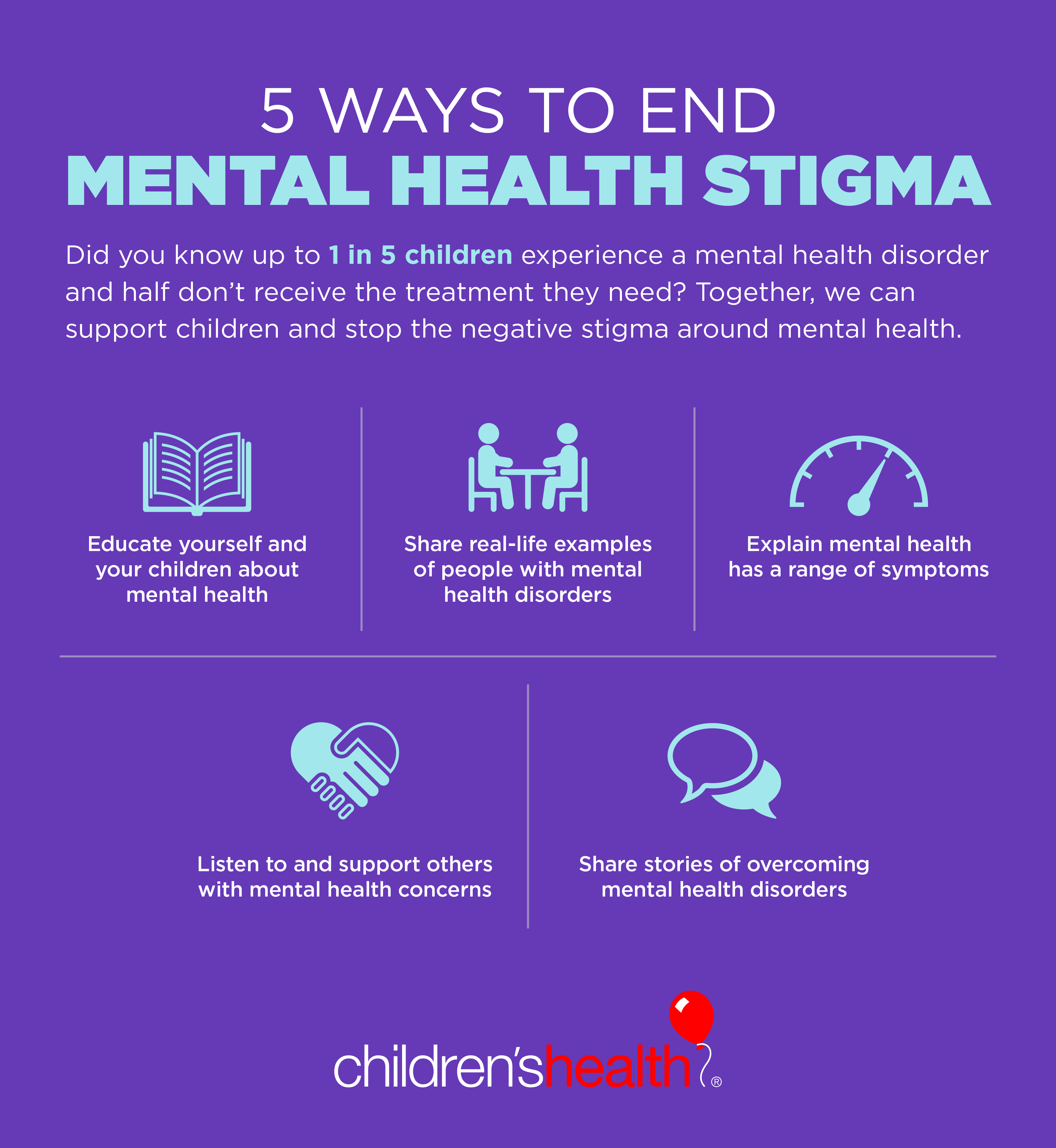
Stigma, a word that often lurks in the shadows of mental health discussions, is a formidable foe. It’s the whispered judgment, the averted gaze, the dismissive chuckle. It’s the fear of being labeled, the dread of being different. And it’s a powerful barrier that prevents countless individuals from seeking the help they need.
Understanding the Beast
To combat stigma, we must first understand its nature. It’s a complex interplay of societal attitudes, cultural norms, and personal beliefs. It’s the result of centuries of misunderstanding and misinformation about mental health conditions.
One of the most insidious aspects of stigma is its ability to isolate individuals. When people feel ashamed or embarrassed about their mental health struggles, they may withdraw from social interactions, neglect their relationships, and even forgo essential treatments. This isolation can exacerbate symptoms and lead to a downward spiral.
Breaking the Chains
So, how can we break the chains of stigma and create a more compassionate and understanding society?
1. Educate Yourself
Knowledge is power. By educating ourselves about mental health conditions, we can dispel myths and challenge stereotypes. We can learn to recognize the signs and symptoms of mental illness, and we can develop empathy for those who are struggling.
Myth-busting: Don’t believe everything you hear. Many misconceptions about mental health persist. For example, it’s a common myth that people with mental illness are dangerous or unpredictable. In reality, the vast majority of people with mental health conditions are no more likely to be violent than anyone else.
2. Challenge Stigma When You See It
We all have a role to play in reducing stigma. When you encounter stigmatizing attitudes or behaviors, don’t be afraid to speak up. A simple comment or gesture can make a big difference.
Call it out: If you hear someone making a derogatory remark about mental illness, don’t ignore it. Gently correct them and explain why their words are harmful.
3. Practice Empathy and Compassion
Empathy is the ability to understand and share the feelings of another person. When we practice empathy, we can connect with others on a deeper level and offer genuine support.
Listen actively: When someone is sharing their feelings, give them your full attention. Don’t interrupt or offer unsolicited advice. Simply listen and validate their experiences.
4. Take Care of Your Own Mental Health
It’s impossible to support others if you’re not taking care of yourself. Make time for activities that you enjoy, such as spending time with loved ones, practicing mindfulness, or getting enough sleep.
Prioritize self-care: Don’t neglect your own needs. Make time for activities that help you relax and recharge.
By taking these steps, we can all contribute to a more compassionate and understanding world. Together, we can break the silence and reduce the stigma associated with mental illness.
Das Schweigen ist ein mächtiges Werkzeug. Es kann Geheimnisse hüten, Frieden stiften und manchmal auch verletzen. Eines der größten Schweigen unserer Zeit betrifft mentale Gesundheit. Es ist ein Tabu, das viele Menschen daran hindert, über ihre Probleme zu sprechen und sich die Hilfe zu holen, die sie brauchen.
Warum schweigen wir?
Die Gründe für dieses Schweigen sind vielfältig. Viele Menschen fürchten, dass sie als schwach oder verrückt abgestempelt werden. Andere haben Angst vor Ablehnung oder Diskriminierung. Einige glauben einfach, dass sie ihre Probleme alleine lösen müssen. Doch dieses Schweigen kann verheerende Folgen haben. Es kann zu Isolation, Depression, Angstzuständen und sogar Suizid führen.
Wie können wir das Schweigen brechen?
Es gibt viele Möglichkeiten, das Stigma um mentale Gesundheit zu reduzieren. Hier sind einige Ideen:
Rede darüber: Sprich offen und ehrlich über deine eigenen mentalen Gesundheitsprobleme. Teile deine Erfahrungen mit Freunden, Familie oder einem Therapeuten. Dadurch hilfst du anderen, sich zu öffnen und zu verstehen, dass sie nicht allein sind.
Kleine Schritte, große Wirkung
Es braucht nicht immer große Gesten, um das Stigma um mentale Gesundheit zu reduzieren. Kleine Schritte können eine große Wirkung haben. Zum Beispiel:
Ein freundliches Lächeln: Ein Lächeln kann einen großen Unterschied machen. Es kann jemandem zeigen, dass du für ihn da bist.
Die Kraft der Gemeinschaft
Gemeinschaft ist ein wichtiger Teil der mentalen Gesundheit. Wenn wir uns gegenseitig unterstützen, können wir das Stigma überwinden. Gemeinsam sind wir stärker.
Fazit
Das Schweigen um mentale Gesundheit muss ein Ende haben. Wir müssen offen und ehrlich über unsere Probleme sprechen. Wir müssen einander zuhören und unterstützen. Gemeinsam können wir das Stigma überwinden und eine bessere Zukunft für alle schaffen.


