


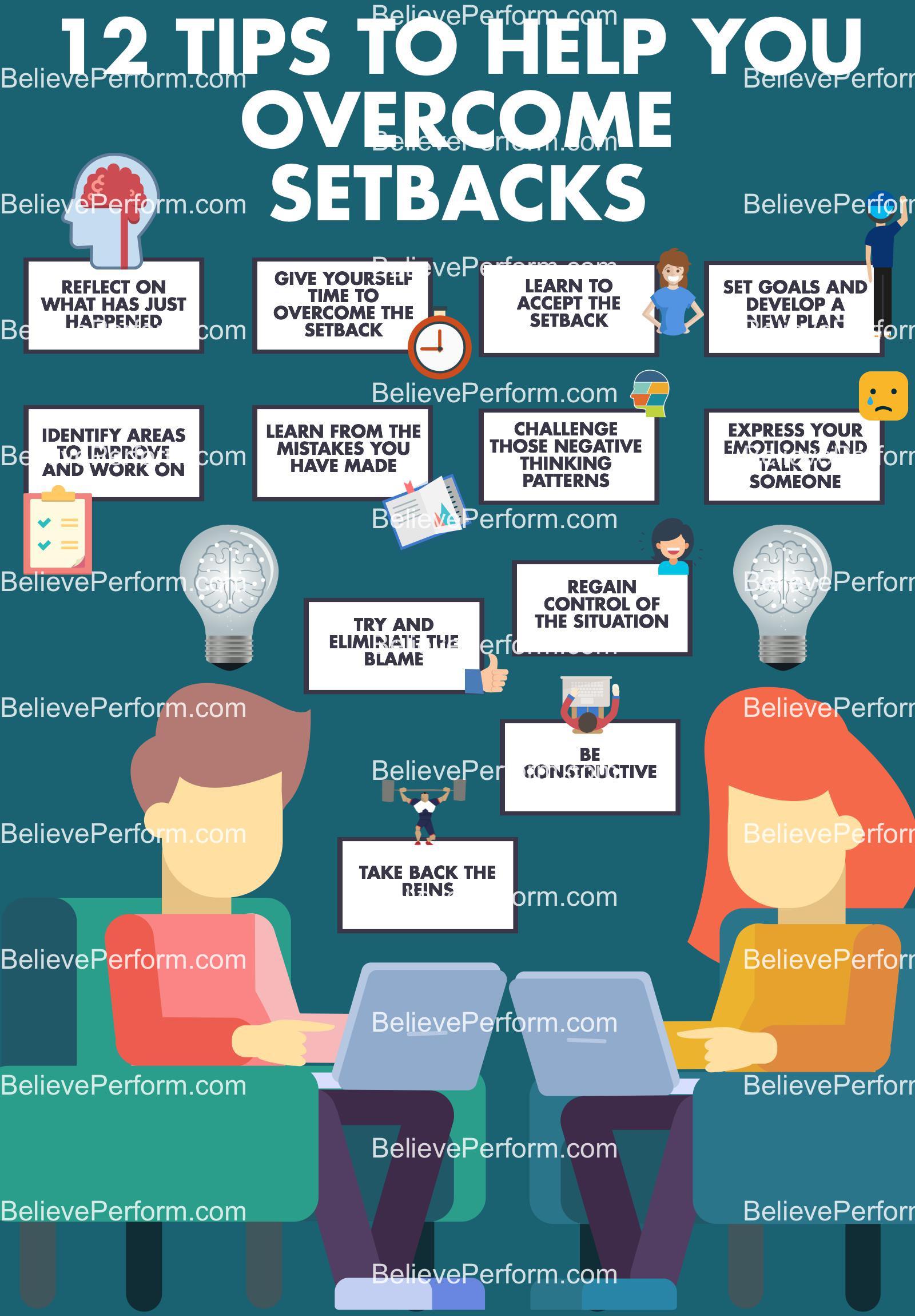
Mindfulness, often associated with meditation and yoga, is a potent tool for navigating life’s challenges. It’s about being present in the moment, observing your thoughts and feelings without judgment. By cultivating mindfulness, you can develop resilience, reduce stress, and enhance your overall well-being.
What is Mindfulness?


Imagine your mind as a busy marketplace, filled with the constant chatter of thoughts and emotions. Mindfulness is like stepping back from the crowd, taking a deep breath, and observing the scene without getting caught up in it. It’s about paying attention to the present moment, without judgment.
Benefits of Mindfulness
Reduced Stress: By focusing on the present moment, you can alleviate anxiety and worry about the future or the past.
How to Incorporate Mindfulness into Your Daily Life
1. Mindful Breathing: Set aside a few minutes each day to focus on your breath. Inhale slowly and deeply, then exhale slowly. Pay attention to the sensation of the breath entering and leaving your body.
2. Mindful Eating: Instead of rushing through your meals, savor each bite. Pay attention to the taste, texture, and smell of your food.
3. Mindful Walking: Take a walk in nature and focus on the sensations of walking, the sounds of the environment, and the feeling of the wind on your skin.
4. Mindful Listening: When you’re having a conversation, actively listen to the other person without interrupting. Pay attention to their words, tone of voice, and body language.
5. Mindful Meditation: Meditation is a formal practice of mindfulness. You can find guided meditations online or through meditation apps.
Mindfulness for Overcoming Setbacks
When you’re facing a setback, it’s easy to get caught up in negative thoughts and emotions. Mindfulness can help you stay grounded and focused on the present moment. By observing your thoughts and feelings without judgment, you can gain a new perspective on your situation.
Remember, mindfulness is a practice, not a perfection. It takes time and patience to develop a regular mindfulness practice. Start small and be kind to yourself. Even a few minutes of mindfulness each day can make a big difference in your mental health.
Eintauchen in die Welt der Entspannung
Inmitten des turbulenten Alltags, in dem Stress und Hektik oft die Oberhand gewinnen, ist es unerlässlich, einen Ort der Ruhe und Gelassenheit zu finden. Dieser Rückzugsort kann physisch oder mental sein und bietet dir die Möglichkeit, deine Batterien wieder aufzuladen und neue Energie zu tanken.
Ein physischer Rückzugsort: Dein persönliches Refugium
Ein physischer Rückzugsort kann ein Ort sein, an dem du dich vollkommen entspannen und abschalten kannst. Es könnte dein gemütliches Wohnzimmer sein, in dem du dich mit einem guten Buch oder einem spannenden Film zurückziehst. Vielleicht bevorzugst du auch einen ruhigen Platz in der Natur, wie einen Park oder einen Wald, wo du die frische Luft und die Ruhe genießen kannst.
Ein solcher Ort sollte dir die Möglichkeit bieten, deine Gedanken schweifen zu lassen und dich von den Sorgen des Alltags zu befreien. Es ist wichtig, dass du diesen Ort regelmäßig aufsuchst, um Stress abzubauen und deine mentale Gesundheit zu fördern.
Ein mentaler Rückzugsort: Deine innere Oase
Ein mentaler Rückzugsort hingegen ist ein Ort, den du in deinem eigenen Geist erschaffst. Es könnte eine imaginäre Welt sein, in der du dich frei bewegen und entspannen kannst. Vielleicht ist es ein Ort, an dem du dich sicher und geborgen fühlst, oder ein Ort, an dem du dich kreativ ausleben kannst.
Um diesen mentalen Rückzugsort zu erreichen, kannst du verschiedene Techniken anwenden, wie zum Beispiel Meditation, Yoga oder einfach nur das bewusste Atmen. Durch diese Techniken kannst du deine Gedanken zur Ruhe bringen und dich auf das Hier und Jetzt konzentrieren.
Die Kraft der Achtsamkeit
Eine besonders effektive Methode, um deinen mentalen Rückzugsort zu finden, ist die Achtsamkeitspraxis. Achtsamkeit bedeutet, bewusst im gegenwärtigen Moment zu sein, ohne sich von Gedanken oder Gefühlen ablenken zu lassen. Durch Achtsamkeit kannst du deine innere Ruhe finden und deine mentale Gesundheit stärken.
Du kannst Achtsamkeit in deinen Alltag integrieren, indem du zum Beispiel beim Essen bewusst auf den Geschmack und die Textur der Speisen achtest oder beim Spaziergang bewusst auf die Geräusche und Gerüche der Natur hörst. Auch Meditation und Yoga sind hervorragende Möglichkeiten, um Achtsamkeit zu praktizieren.
Fazit
Ein Rückzugsort, sei er physisch oder mental, ist ein wichtiger Bestandteil einer gesunden mentalen Hygiene. Indem du regelmäßig Zeit in deinem Rückzugsort verbringst, kannst du Stress abbauen, deine Kreativität fördern und deine allgemeine Lebensqualität verbessern. Also, finde deinen persönlichen oder mentalen Rückzugsort und tauche ein in die Welt der Entspannung!


