

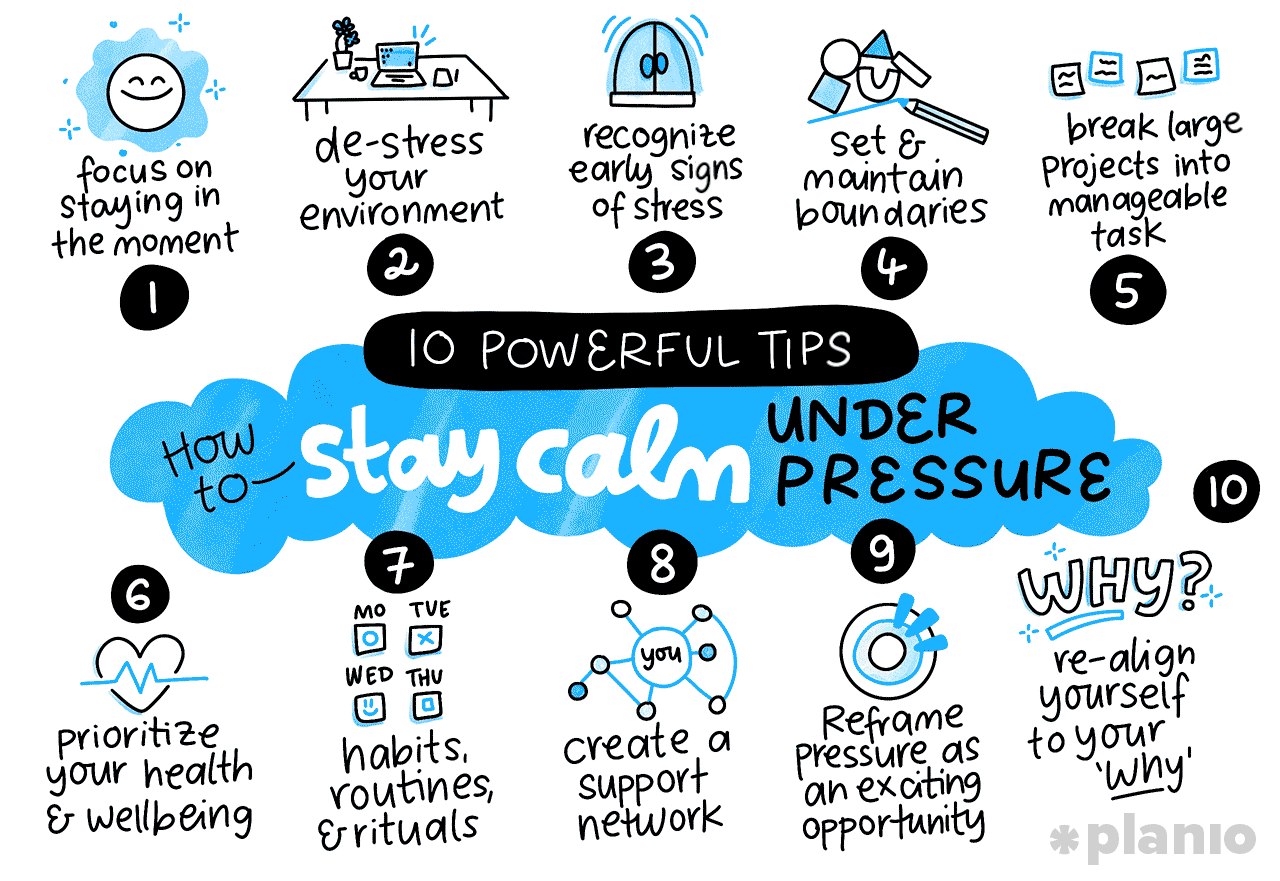
Meditation and mindfulness are like anchors in a storm, grounding us in the present moment. They offer a serene haven amidst the chaos of life, allowing us to pause, breathe, and reconnect with ourselves.
The Power of Presence
At the heart of meditation lies the practice of mindfulness, the art of being fully present in the here and now. By focusing our attention on the present moment, we can quiet the mind’s incessant chatter and cultivate a sense of inner peace. This simple yet profound practice can transform our relationship with stress, enabling us to navigate challenges with greater ease and resilience.
A Beginner’s Guide to Meditation
If you’re new to meditation, don’t worry! You don’t need any special equipment or a serene retreat to begin your practice. Here are a few simple steps to get you started:
1. Find a Quiet Space: Choose a peaceful spot where you won’t be disturbed.
2. Comfortable Posture: Sit in a comfortable position, whether it’s on a cushion, chair, or even your bed.
3. Focus Your Attention: Begin by focusing your attention on your breath. Observe the sensation of the breath as it enters and leaves your body.
4. Gentle Guidance: If you find it challenging to focus on your breath, consider using a guided meditation. Many apps and online resources offer a variety of guided meditations to suit different needs and preferences.
5. Non-Judgmental Awareness: As thoughts arise, gently bring your attention back to your breath. Don’t judge yourself for getting distracted; simply acknowledge the thought and return to your focus.
The Benefits of Mindfulness
Regular meditation and mindfulness practice can offer a multitude of benefits for both your mental and physical well-being. Some of the potential advantages include:
Reduced Stress and Anxiety: By calming the mind and reducing stress hormones, meditation can help alleviate symptoms of anxiety and promote a sense of overall well-being.
Incorporating Mindfulness into Daily Life
Meditation and mindfulness aren’t just for formal practice sessions. You can integrate these practices into your daily life in countless ways. Here are a few tips:
Mindful Breathing: Take a few moments throughout the day to pause and focus on your breath. This simple practice can help you stay grounded and centered.
By incorporating mindfulness into your daily routine, you can cultivate a greater sense of peace, resilience, and overall well-being. Remember, the journey of self-discovery is a lifelong process, and every step, no matter how small, brings you closer to a more balanced and fulfilling life.
Meditation, often seen as a practice reserved for yogis and monks, is a powerful tool that anyone can use to find solace and peace. It involves training your mind to focus and redirect your thoughts. By regularly practicing meditation, you can cultivate a sense of calm and inner peace, even during the most stressful times.
The Basics of Meditation
At its core, meditation is simple. You find a quiet place, sit comfortably, and focus your attention on your breath. As your mind wanders, gently bring it back to your breath. That’s it.
The Benefits of Meditation
While the practice may seem straightforward, the benefits are profound. Regular meditation can:
Reduce Stress and Anxiety: By calming the mind and body, meditation can significantly reduce stress and anxiety levels.
Types of Meditation
There are many different types of meditation, each with its own unique approach. Here are a few popular options:
Mindfulness Meditation: This involves paying attention to the present moment without judgment.
Getting Started with Meditation
If you’re new to meditation, here are a few tips to help you get started:
1. Find a Quiet Place: Choose a quiet place where you won’t be disturbed.
2. Sit Comfortably: You can sit on a cushion, chair, or even lie down.
3. Focus on Your Breath: Pay attention to the sensation of your breath as it enters and leaves your body.
4. Be Patient: Don’t get discouraged if your mind wanders. Simply bring your attention back to your breath.
5. Start Small: Begin with just a few minutes of meditation each day and gradually increase the duration as you become more comfortable.
Remember, meditation is a personal practice. There is no right or wrong way to do it. The most important thing is to find a technique that works for you and stick with it.
Incorporating Meditation into Your Daily Life
Meditation doesn’t have to be a formal, hour-long practice. You can incorporate short meditation breaks throughout your day. For example, you can meditate for a few minutes in the morning, during your lunch break, or before bed.
You can also find meditation apps and guided meditation videos to help you get started. These resources can provide structure and support as you develop your meditation practice.
By making meditation a regular part of your life, you can cultivate a sense of calm and peace that will help you navigate even the most stressful times. So, why not give it a try?


