


Eintauchen in die Stille: Die Kraft der Meditation
In unserer hektischen Welt, in der der Lärm des Alltags uns oft überfordert, bietet Meditation eine wohltuende Oase der Ruhe. Diese uralte Praxis, die ursprünglich aus spirituellen Traditionen stammt, hat in den letzten Jahren zunehmend an Bedeutung gewonnen. Und das aus gutem Grund.
Was ist Meditation eigentlich?
Im Kern geht es bei der Meditation darum, den Geist zu beruhigen und sich auf den gegenwärtigen Moment zu konzentrieren. Es ist eine Technik, die uns hilft, unsere Gedanken zu beobachten, ohne ihnen nachzujagen. Durch regelmäßiges Üben können wir lernen, unsere Aufmerksamkeit zu fokussieren und innere Ruhe zu finden.
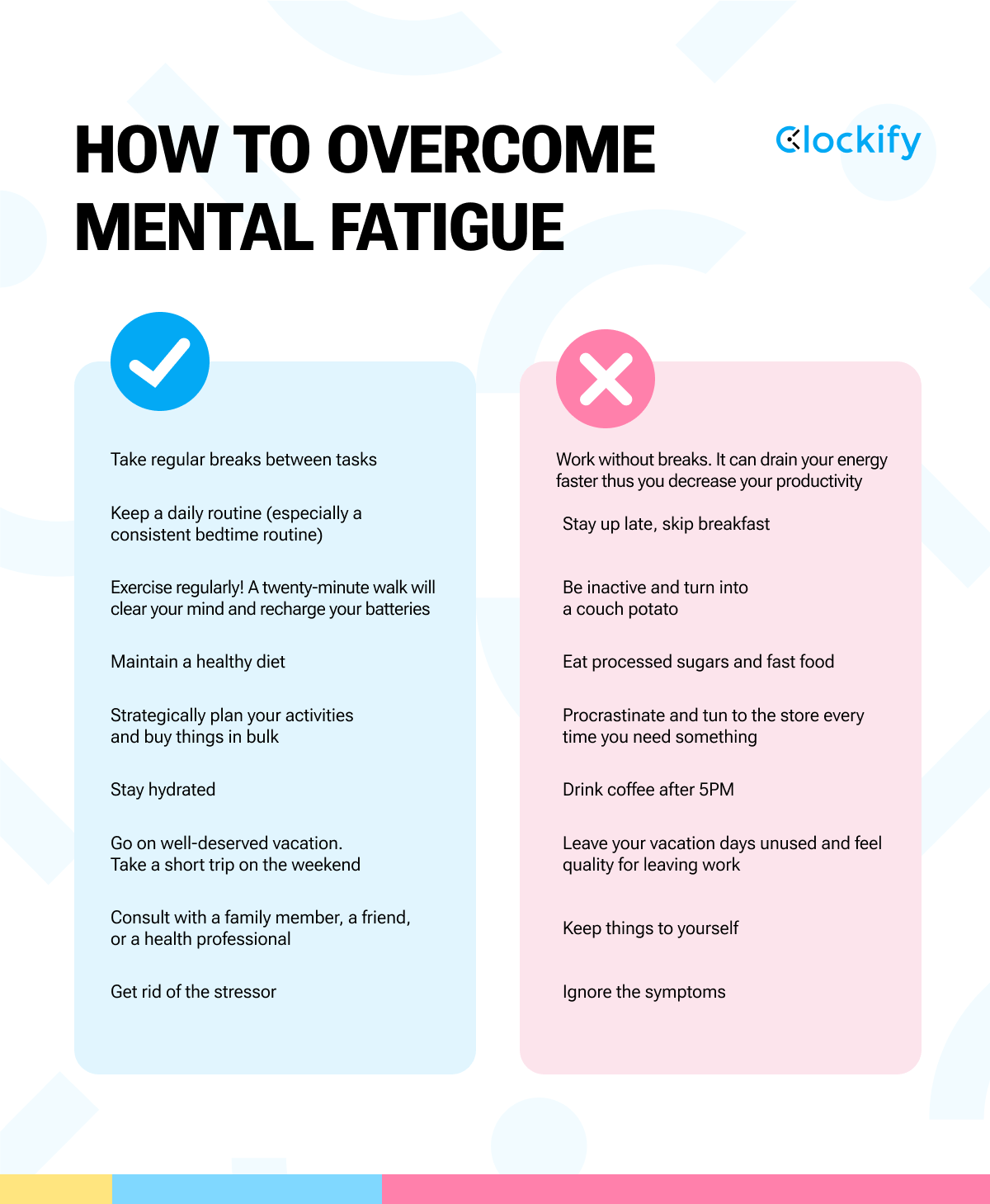
Wie kann Meditation helfen, mentale Erschöpfung zu überwinden?
Stressreduktion: Meditation kann den Stresshormonspiegel senken und die Produktion von Glückshormonen wie Serotonin und Dopamin steigern. Dadurch fühlen wir uns entspannter und ausgeglichener.
Wie kann ich mit der Meditation beginnen?
Finde einen ruhigen Ort: Suche dir einen Platz, an dem du ungestört bist.
Meditation in den Alltag integrieren
Morgenmeditation: Beginne deinen Tag mit einer kurzen Meditationssession, um den Geist zu klären und Energie zu tanken.
Meditation ist eine wunderbare Möglichkeit, um mentale Erschöpfung zu überwinden und ein erfüllteres Leben zu führen. Probiere es einfach aus und erlebe selbst, wie diese einfache, aber wirkungsvolle Praxis dein Wohlbefinden steigern kann.
In our fast-paced world, it’s easy to get caught up in the whirlwind of daily life. The constant noise of notifications, the pressure to perform, and the endless to-do lists can leave us feeling mentally exhausted. But fear not, dear reader, for there is a serene oasis amidst the chaos: the practice of mindfulness and meditation.
Mindfulness, at its core, is the art of being fully present in the moment. It’s about paying attention to your thoughts, feelings, and sensations without judgment. By anchoring ourselves in the present, we can break free from the chains of worry and anxiety that often bind us to the past or future.
Meditation, a powerful tool for cultivating mindfulness, involves training your mind to focus and redirect your thoughts. Whether you prefer silent meditation, guided meditation, or mantra meditation, the benefits are far-reaching. Regular meditation practice can help reduce stress, improve concentration, enhance emotional regulation, and boost overall well-being.
To embark on your mindfulness journey, start by incorporating simple mindfulness techniques into your daily routine. Pay attention to the sensations of your breath as you inhale and exhale. Notice the sounds around you, the textures you feel, and the tastes you experience. Engage your senses fully in the present moment.
When you’re ready to delve deeper into meditation, find a quiet space where you won’t be disturbed. Sit comfortably, with your back straight but not rigid. Close your eyes gently and focus on your breath. As your mind wanders, gently bring your attention back to your breath. Don’t be discouraged if your thoughts keep drifting; simply acknowledge them and return to your breath.
Over time, as you practice mindfulness and meditation, you’ll develop a greater sense of calm and clarity. You’ll be better equipped to handle stress, make decisions, and navigate life’s challenges with grace and ease. Remember, it’s not about achieving perfection; it’s about showing up for yourself, day after day.
So, take a deep breath, let go of the noise, and embrace the stillness within. Discover the power of mindfulness and meditation, and reclaim your mental well-being.


