

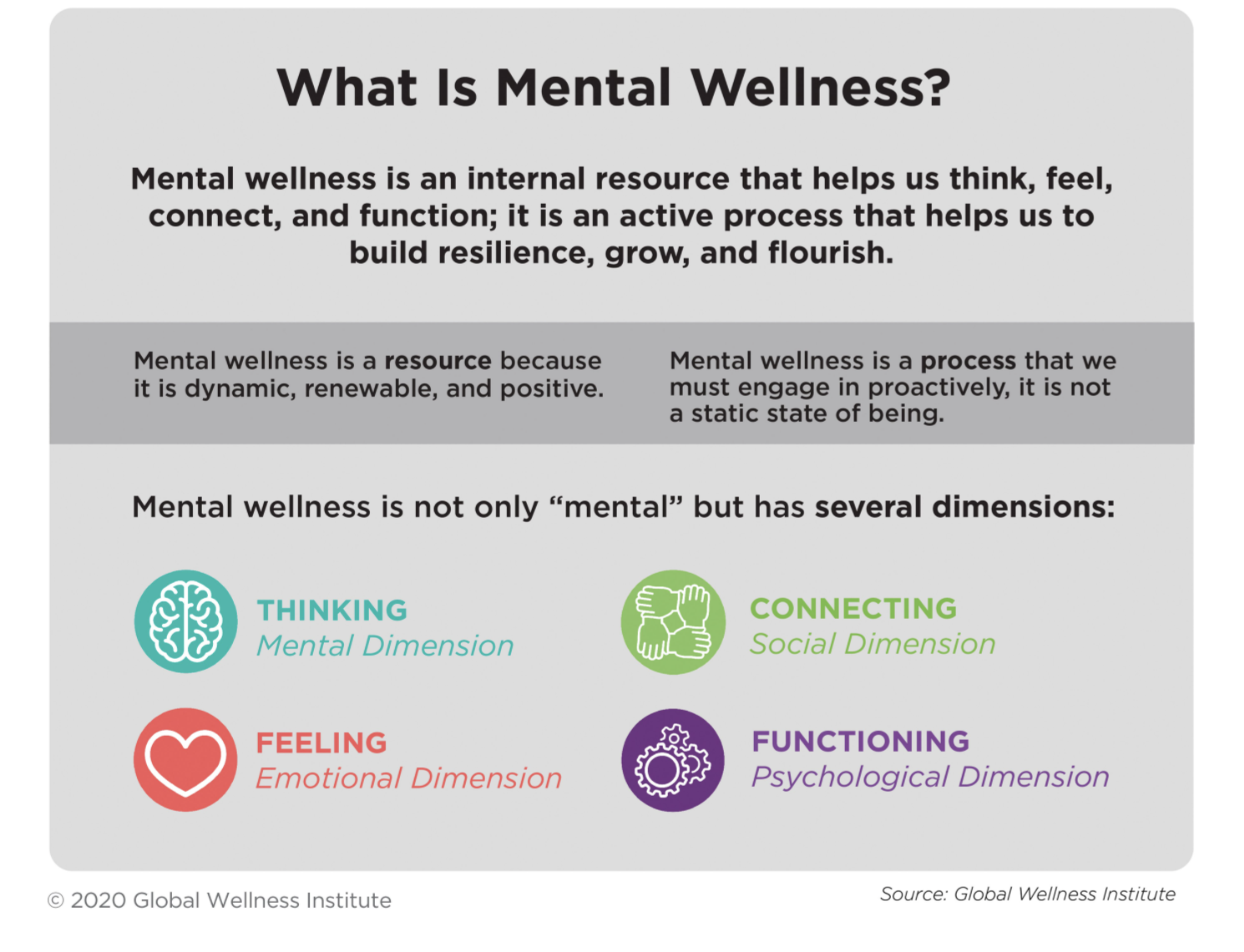
In our fast-paced world, where distractions abound and stress levels soar, finding moments of tranquility can seem like an elusive dream. Yet, amidst the chaos, there exists a powerful tool that can help us cultivate a calm mind and enhance our overall well-being: meditation.
Meditation, at its core, is a practice of mindfulness that involves focusing the mind on a specific object, thought, or sensation. By directing our attention inward, we can quiet the incessant chatter of our thoughts and experience a state of profound relaxation. This simple yet profound practice has been revered for centuries across various cultures, and its benefits are now being widely recognized by modern science.
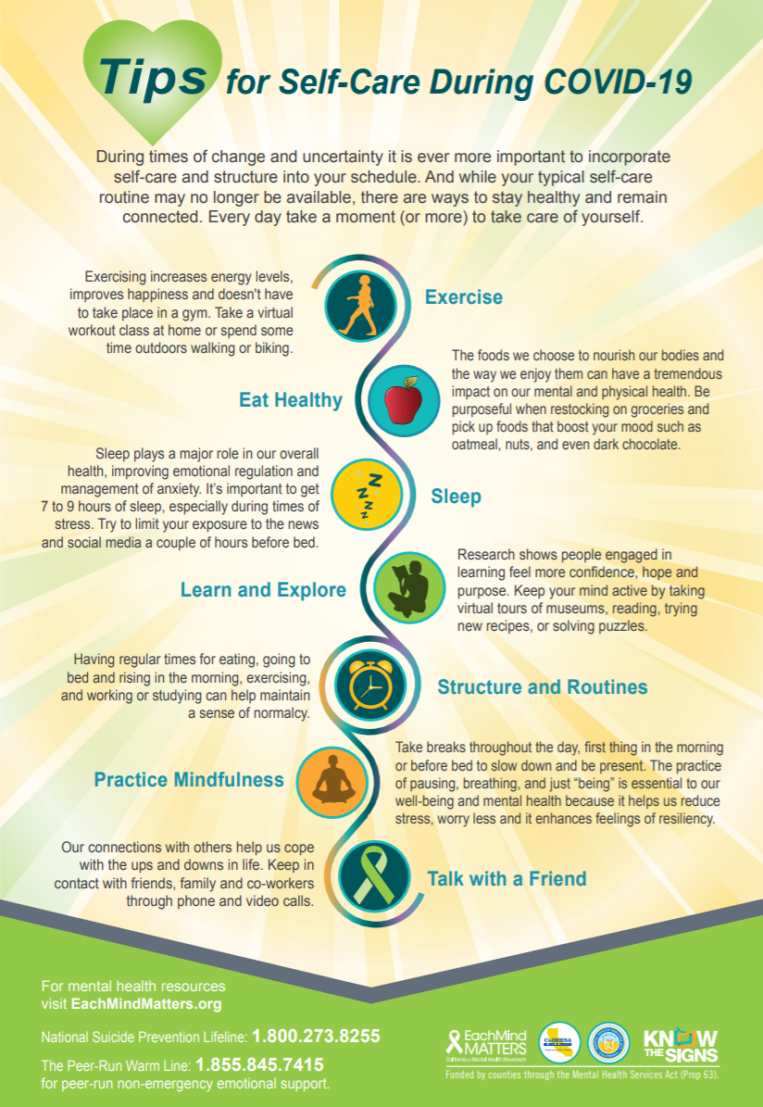
One of the primary advantages of meditation is its ability to reduce stress and anxiety. When we meditate, we activate our body’s relaxation response, which counteracts the effects of the stress response. This can lead to a decrease in stress hormones like cortisol, promoting feelings of calm and serenity. Regular meditation practice can also help to improve our mood, as it can increase the production of endorphins, the body’s natural mood elevators.
Beyond its mental health benefits, meditation can also have a positive impact on our physical health. Studies have shown that meditation can lower blood pressure, improve sleep quality, and boost the immune system. It can also help to alleviate chronic pain conditions, such as headaches and arthritis.
To begin your meditation journey, you don’t need any special equipment or a serene retreat. You can simply find a quiet place where you won’t be disturbed. Sit comfortably in a chair or on the floor, with your back straight but not rigid. Close your eyes gently and focus your attention on your breath. As you inhale and exhale, observe the natural rhythm of your breath without trying to control it.
If your mind wanders, which is perfectly normal, simply bring your attention back to your breath. Don’t judge yourself for getting distracted; simply acknowledge the distraction and return to your focus. Over time, with consistent practice, you’ll find that your mind becomes less prone to wandering.
There are many different types of meditation techniques, each with its own unique approach. Some popular techniques include mindfulness meditation, transcendental meditation, and loving-kindness meditation. You can experiment with different techniques to find what works best for you.
Remember, meditation is a personal practice, and there is no right or wrong way to do it. The most important thing is to be patient and kind to yourself. As you continue to meditate, you may notice subtle shifts in your thoughts, emotions, and overall well-being. Over time, these subtle shifts can accumulate into significant transformations, leading to a more peaceful and fulfilling life.
So, why not embark on this journey of self-discovery and inner peace? By incorporating meditation into your daily routine, you can unlock your full potential and experience the profound benefits of a calm and centered mind.
Die Natur, mit ihrer unendlichen Vielfalt und Schönheit, bietet uns einen kostbaren Schatz: Ruhe und Erholung für unseren Geist. Indem wir uns bewusst Zeit nehmen, um in der Natur zu verweilen, können wir unsere mentale Gesundheit nachhaltig stärken.
Ein Spaziergang im Wald, ein Picknick am See oder einfach nur das Beobachten der Vögel am Futterhäuschen – jede Begegnung mit der Natur kann unsere Seele beruhigen und unsere Gedanken ordnen. Die frische Luft, das sanfte Vogelgezwitscher und das Rauschen der Blätter wirken wie ein natürliches Baldrian, das unseren Stresspegel senkt und unsere Stimmung hebt.
Doch wie können wir die Naturverbundenheit in unseren Alltag integrieren? Es erfordert zunächst einmal Bewusstheit. Wir müssen uns bewusst dafür entscheiden, Zeit in der Natur zu verbringen. Vielleicht ist es ein täglicher Spaziergang um den Block, ein Wochenendausflug in den Wald oder einfach nur das Sitzen auf dem Balkon und das Beobachten des Himmels.
Ein weiteres hilfreiches Mittel ist das sogenannte “Earthing” oder “Grounding”. Dabei geht es darum, barfuß über die Erde zu gehen, um sich mit der Energie der Natur zu verbinden. Diese Praxis kann helfen, Stress abzubauen, Schmerzen zu lindern und das allgemeine Wohlbefinden zu steigern.
Neben dem physischen Kontakt mit der Natur können wir auch unsere Sinne schulen, um die Natur tiefer zu erleben. Achte auf die Farben der Blätter, den Duft der Blumen, das Gefühl des Windes auf deiner Haut und die Geräusche der Umgebung. Diese bewusste Wahrnehmung kann unsere Verbindung zur Natur intensivieren und unsere mentale Gesundheit fördern.
Ein weiteres wertvolles Werkzeug ist das Naturjournal. In einem solchen Journal kannst du deine Erlebnisse in der Natur festhalten, deine Gedanken und Gefühle niederschreiben und deine Beobachtungen dokumentieren. Das Schreiben über die Natur kann helfen, Stress abzubauen, Emotionen zu verarbeiten und unsere Verbindung zur Natur zu stärken.
Die Natur ist ein unerschöpflicher Quell der Inspiration und Kraft. Indem wir uns regelmäßig Zeit nehmen, um in ihr zu verweilen, können wir unsere mentale Gesundheit nachhaltig stärken und unser Leben bereichern. Also, schnapp dir deine Wanderschuhe, atme tief durch und tauche ein in die wunderbare Welt der Natur!


