Nurturing Your Emotional Well-being: Essential Tips For A Stronger Foundation

  • Whatsapp
Tips and Techniques to Boost Your Mental Health

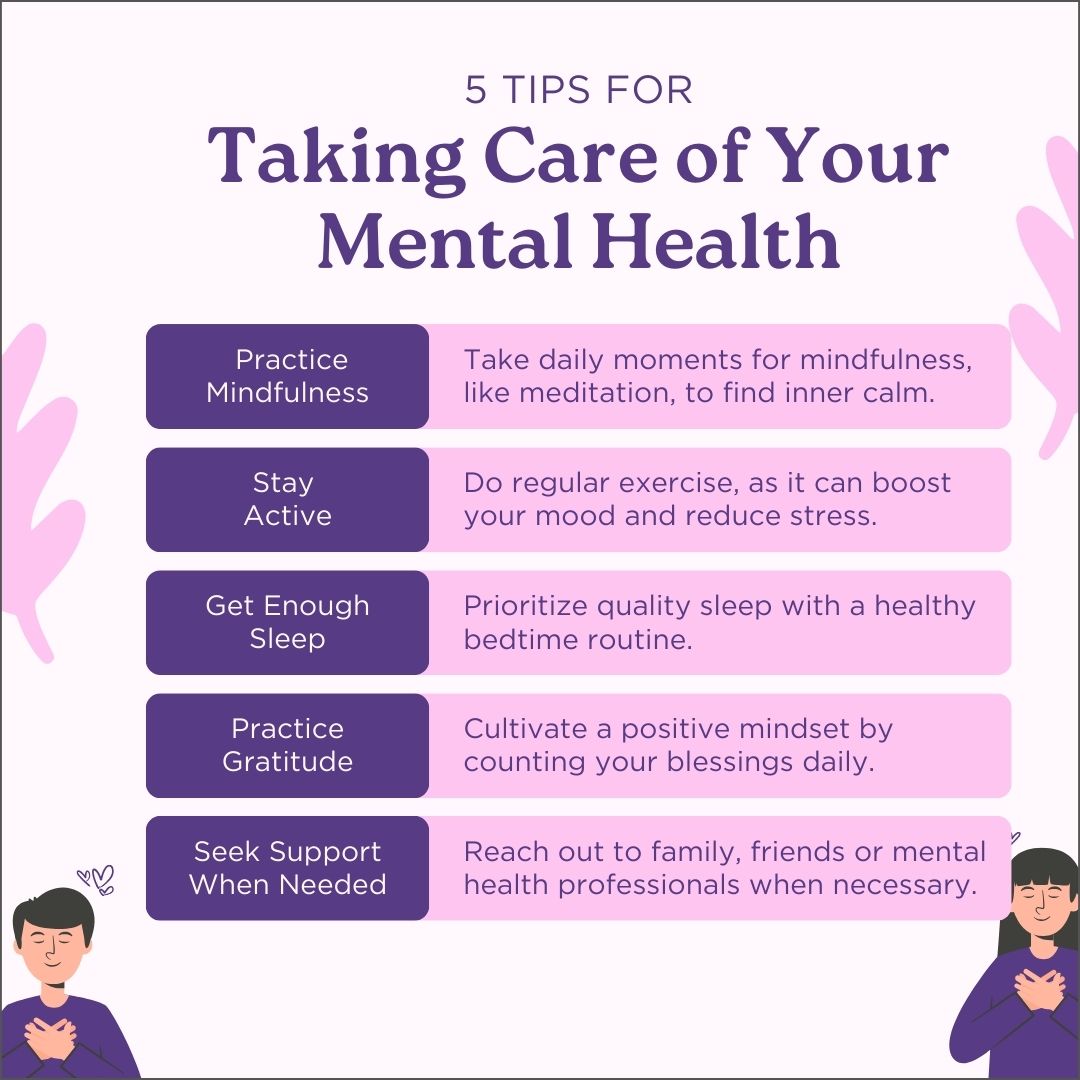
Mindfulness, the practice of being present in the moment, is a powerful tool for cultivating emotional well-being. It’s like a mental spa, allowing you to soothe your thoughts and feelings. By focusing on the present moment, you can reduce stress, anxiety, and negative emotions.

How to Incorporate Mindfulness into Your Daily Life:
How to Empower Kids With The Emotional Skills They Need To Be

Mindful Breathing: Take a few moments each day to focus on your breath. Inhale slowly and deeply, then exhale slowly and fully. This simple practice can anchor you to the present moment and calm your mind.

  • Mindful Eating: Pay attention to the taste, texture, and smell of your food. Savor each bite and enjoy the experience of eating.
  • Mindful Walking: Take a leisurely walk and focus on the sensations of your feet touching the ground, the wind on your skin, and the sights and sounds around you.
  • Meditation: Dedicate a few minutes each day to meditation. Sit quietly, focus on your breath, and let go of any distracting thoughts.

  • The Benefits of Mindfulness:

    Reduced Stress: Mindfulness can help you manage stress by allowing you to observe your thoughts and feelings without judgment.

  • Improved Focus: By training your mind to stay present, you can enhance your concentration and productivity.
  • Enhanced Emotional Well-being: Mindfulness can help you regulate your emotions and develop a greater sense of self-awareness.
  • Boosted Creativity: When your mind is calm and focused, you’re more likely to experience creative breakthroughs.

  • Mindfulness Exercises for Emotional Well-being:

    Body Scan Meditation: Start by focusing on your breath and gradually shift your attention to different parts of your body, noticing any sensations.

  • Loving-Kindness Meditation: Send thoughts of love, kindness, and compassion to yourself and others.
  • Mindful Eating Meditation: Practice mindful eating by focusing on the taste, texture, and smell of your food.
  • Walking Meditation: Take a leisurely walk and focus on the sensations of your feet touching the ground, the wind on your skin, and the sights and sounds around you.

  • Mindfulness Tips for Busy People:

    Start Small: Begin with short mindfulness practices, such as a few minutes of mindful breathing or a short meditation session.

  • Incorporate Mindfulness into Your Routine: Find ways to integrate mindfulness into your daily activities, such as mindful eating, mindful walking, or mindful showering.
  • Use Mindfulness Apps: Many mindfulness apps offer guided meditations and other tools to support your practice.
  • Join a Mindfulness Group: Connecting with others who share your interest in mindfulness can provide support and motivation.

  • By embracing mindfulness, you can cultivate a calmer, more focused, and more emotionally resilient mind. It’s a simple yet powerful tool that can transform your life.

    A Quiet Oasis in a Noisy World

    In our fast-paced, constantly connected world, it’s easy to feel overwhelmed and stressed. Our minds race from one thought to the next, and our emotions can quickly spiral out of control. Meditation offers a powerful antidote to this chaotic state, providing a much-needed respite and a pathway to inner peace.

    What is Meditation?

    Meditation is a practice that involves training your mind to focus and redirect your thoughts. It can take many forms, from traditional mindfulness meditation to guided imagery and transcendental meditation. The core principle, however, remains the same: to cultivate a state of calm and awareness.

    The Benefits of Meditation

    The benefits of meditation are numerous and far-reaching. Regular meditation has been shown to:

    Reduce stress and anxiety: By calming the mind and body, meditation can help alleviate symptoms of stress and anxiety.

  • Improve focus and concentration: By training the mind to focus on the present moment, meditation can enhance your ability to concentrate and pay attention.
  • Boost mood and emotional well-being: Meditation can help improve your mood, increase feelings of happiness, and reduce symptoms of depression.
  • Enhance creativity: By allowing the mind to wander freely, meditation can spark creativity and innovative thinking.
  • Improve sleep quality: Regular meditation can help you fall asleep more easily and sleep more soundly.
  • Strengthen the immune system: Meditation can help boost your immune system, making you less susceptible to illness.

  • How to Start Meditating

    If you’re new to meditation, don’t worry! It’s a simple practice that anyone can learn. Here are a few tips to get you started:

    1. Find a quiet place: Choose a peaceful spot where you won’t be disturbed.
    2. Get comfortable: Sit or lie down in a comfortable position.
    3. Focus your attention: Begin by focusing your attention on your breath. Pay attention to the sensation of the breath as it enters and leaves your body.
    4. Let go of distractions: When your mind wanders, gently bring your attention back to your breath.
    5. Start small: Begin with just a few minutes of meditation each day and gradually increase the duration as you become more comfortable.

    Meditation Techniques

    There are many different meditation techniques to explore. Here are a few popular options:

    Mindfulness meditation: This technique involves paying attention to the present moment without judgment.

  • Guided meditation: This technique involves following a guided meditation script or recording.
  • Transcendental Meditation: This technique involves repeating a mantra silently to calm the mind.
  • Loving-kindness meditation: This technique involves cultivating feelings of love and compassion for oneself and others.

  • Incorporating Meditation into Your Daily Life

    Meditation doesn’t have to be a formal, hour-long practice. You can incorporate it into your daily life in many ways. Here are a few ideas:

    Meditate in the morning: Start your day with a few minutes of meditation to set a positive tone.

  • Meditate before bed: Wind down at night with a calming meditation practice to improve your sleep quality.
  • Meditate during breaks at work: Take a few minutes to meditate during your lunch break or between tasks.
  • Meditate while walking: Pay attention to the sensation of your feet touching the ground and the rhythm of your breath.
  • Meditate while doing chores: Focus on the task at hand and the sensations in your body.

  • By incorporating meditation into your daily routine, you can experience a profound sense of peace, clarity, and well-being. So why not give it a try? You may be surprised at the positive impact it can have on your life.

    Related posts

    Leave a Reply

    Your email address will not be published. Required fields are marked *